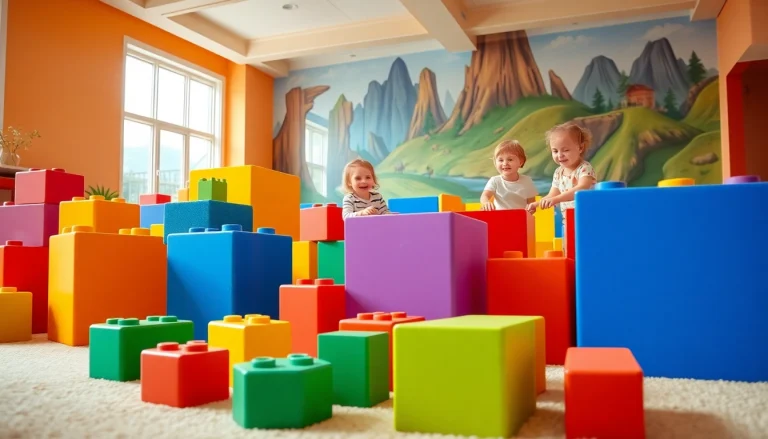
The Joy of Giant Foam Building Blocks
Understanding Their Appeal
Giant foam building blocks have become a staple in playrooms, schools, and recreational centers. Their oversized, lightweight design provides a unique avenue for creative play, enabling children to engineer everything from simple towers to complex structures. Unlike traditional building materials, these foam blocks are soft and forgiving, making them perfect for both young architects and their less careful companions. For those considering investing in these playful tools, more details about their diverse applications and benefits are essential.
Key Benefits for Kids
Giant foam blocks offer a myriad of benefits for children. Firstly, they promote physical activity as children engage in lifting, stacking, and building with them. This encourages gross motor skill development and improves coordination. Secondly, these blocks support cognitive growth through imaginative play. As kids build and destroy structures, they practice problem-solving and critical thinking skills. Lastly, foam blocks can enhance social interaction, encouraging teamwork and communication when children work together on projects.
Safety Features You Should Know
Safety is paramount when it comes to children's play. One of the major advantages of giant foam blocks is their soft, cushioned material which drastically reduces the risk of injury if a block falls or if children collide while playing. Made from non-toxic EVA foam, many manufacturers ensure that these products are free from harmful chemicals, thus promoting a safe environment. Additionally, foam blocks feature rounded edges and are usually lightweight, making them easy to handle for little hands.
Choosing the Right Foam Blocks
Sizes and Shapes Available
When selecting giant foam building blocks, there are various sizes and shapes to consider, each designed to suit different types of play. Blocks are available in traditional cube shapes, but also come in rectangles, triangles, and custom shapes that can inspire innovative construction. A variety of sizes is beneficial since smaller blocks may enhance fine motor skills, while larger blocks can accommodate larger-scale building projects. Consequently, a versatile selection heightens play value and encourages diverse building options.
Material Considerations and Durability
Foam blocks are commonly made from durable materials such as EVA foam, which is known for its resilience and longevity. When choosing foam blocks, check their density and firmness. Higher-density foam can withstand rougher play, while softer alternatives may be better for very young children. It’s also essential to choose blocks treated for easy cleaning and resistance to stains to maintain their appearance over time. Look for blocks that possess water-resistant properties, particularly if they may be used outdoors.
Color Options and Their Impact
Color plays a significant role in children's engagement and learning. Brightly colored blocks stimulate sensory development and capture attention, fostering a lively atmosphere during playtime. They can be arranged to create educational opportunities, such as teaching color recognition, patterns, and even math concepts through sorting and counting. Additionally, color coding can help children collaborate by assigning different colors for different building tasks, enhancing cooperation and teamwork.
Creative Building Ideas
Themed Structures for Imaginative Play
The possibilities with giant foam blocks are boundless. Encourage imaginative play by incorporating themes such as castles, airplanes, or jungle environments. Children can build a towering castle complete with turrets, imbuing their play with stories of knights and dragons. Similarly, constructing a spaceship might spur interest in astronomy, leading to discussions about planets and stars. Such themed creations stimulate creativity while enabling rich narratives for role-playing adventures!
Incorporating Learning into Playtime
Foam blocks can also serve as educational tools. Teachers and parents can create elementary math challenges by asking children to count the number of blocks used in a certain structure or explore simple engineering principles by discussing balance and gravity as they build. Additionally, incorporating literacy can be done by inviting kids to spell their names or create words with the blocks, blending learning seamlessly with play.
Group Activities and Team Challenges
Hosting group activities involving giant foam blocks can be a fantastic way to facilitate teamwork. Organizing challenges such as building the tallest tower or creating specific structures within a time limit provides an engaging and collaborative experience. Children can learn vital social skills including negotiation, compromise, and communication. They can also develop leadership skills as they take turns directing group efforts, all while experiencing the joy of collective creation.
Maintenance and Care for Foam Blocks
Cleaning Guidelines for Longevity
To keep giant foam building blocks in good condition, regular cleaning is essential. Cleaning should involve using gentle soap and water solutions to remove dirt and grime. For tougher stains, a mild bleach solution may sometimes be required, but always follow the manufacturer’s cleaning guidelines to avoid damage. Allow the blocks to dry thoroughly before storage to prevent mold or odors from developing.
Storage Solutions for Space Management
Storage can pose a challenge due to the size of foam blocks. Ideally, a dedicated storage space should be created to keep the blocks organized and accessible. Options include stacking bins or designated shelves that allow for easy retrieval. Using labeled containers can help categorize different shapes or sizes, making clean-up fun and efficient for children while keeping play areas tidy.
Repairing Damage and Wear
Even with careful use, foam blocks may occasionally sustain damage. Small cuts and tears can often be repaired with specialty foam adhesives or patches. Regularly inspecting blocks for signs of wear can prevent larger issues, ensuring that play remains safe and enjoyable. If blocks become too worn, consider recycling them into arts and crafts activities, inspiring creativity by transforming them into new projects!
Frequently Asked Questions
What age is appropriate for giant foam blocks?
Giant foam blocks are typically safe for toddlers and can be enjoyed by children up to 10 years old. They cater to various developmental stages, fostering physical and cognitive skills.
How do I ensure safety during play?
Always supervise play, especially with younger children. Choose blocks with rounded edges and a soft foam material to minimize injuries. Encourage safe play practices, such as proper stacking.
Are foam blocks eco-friendly?
Many foam blocks are made from non-toxic and recyclable materials, thus exhibiting eco-friendly properties. Check product specifications to ensure environmental safety standards are met.
Can these blocks be used outdoors?
Yes, most foam blocks are suitable for outdoor use. However, prolonged exposure to sun or moisture can degrade the material, so they should be stored indoors when not in use.
Where is the best place to buy them?
Giant foam blocks can be purchased from educational supply stores, online marketplaces, and specialty toy retailers. Always choose reputable sellers for quality assurance.