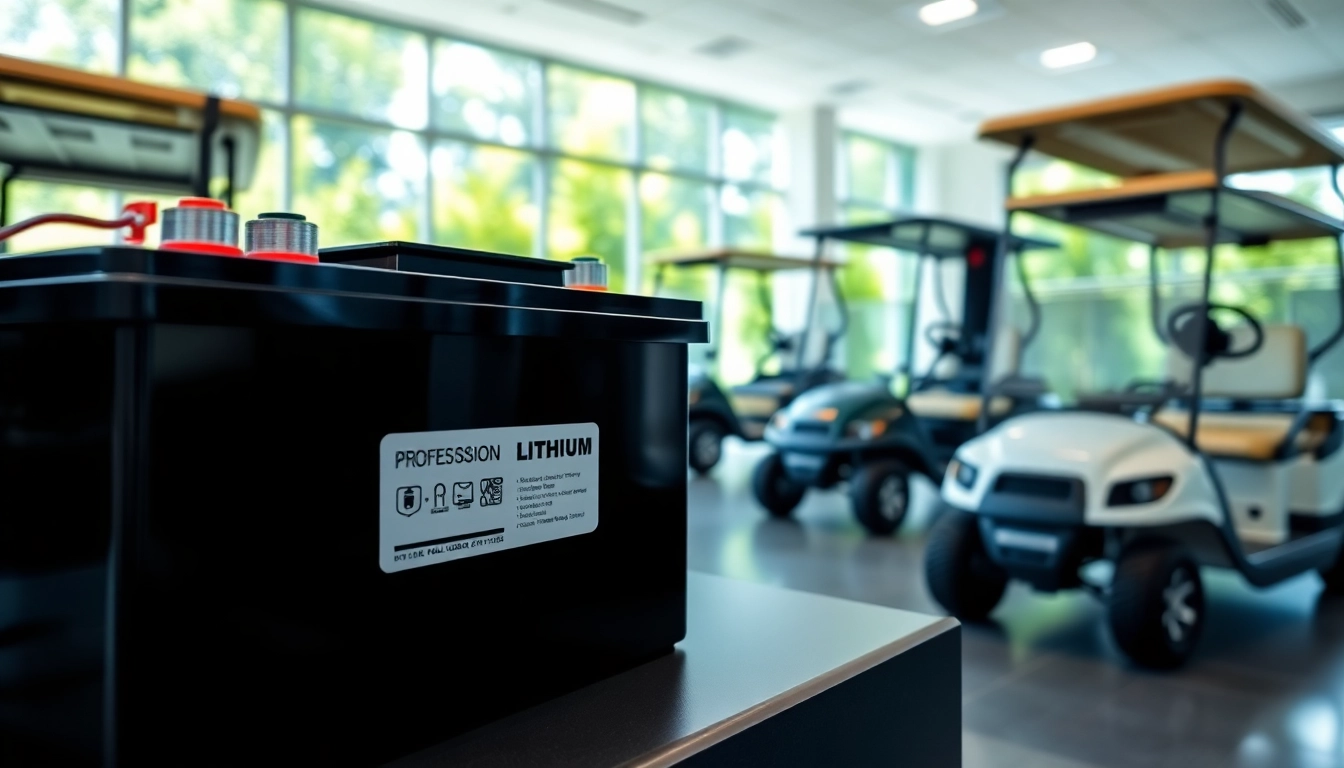
Introduction to Lithium Golf Cart Batteries
In the world of golf carts, the choice of battery can significantly impact performance and longevity. Among the myriad options available, lithium golf cart batteries have emerged as a game-changer, providing users with increased efficiency, lower weight, and extended lifespans compared to traditional lead-acid batteries. This comprehensive guide will delve into the essentials of Vatrer Power lithium golf cart batteries, exploring their advantages, types, installation tips, maintenance best practices, and more.
What Are Lithium Golf Cart Batteries?
Lithium golf cart batteries are rechargeable energy storage devices that use lithium technology to power golf carts. Predominantly available in types such as lithium iron phosphate (LiFePO4), these batteries offer advanced features that cater specifically to the needs of golf cart users. Unlike conventional lead-acid batteries, lithium batteries deliver a higher energy density and a more stable discharge rate, ensuring that golf carts can traverse longer distances without the need for frequent recharges.
Advantages Over Traditional Batteries
The advantages of using lithium golf cart batteries over traditional lead-acid batteries are numerous:
- Longevity:48V 105Ah Lithium Battery can last up to 10 years or more, outlasting lead-acid batteries by several decades in terms of cycle life.
- Weight: These batteries are significantly lighter, which can enhance the performance and handling of the golf cart.
- Charging Efficiency: Lithium batteries charge much faster and can take a charge while partly drained, unlike lead-acid batteries which require full discharges.
- Depth of Discharge: Users can deplete lithium batteries to a greater extent without damaging the battery, offering more usable capacity.
- Maintenance-Free: Unlike lead-acid batteries that require regular maintenance, lithium batteries are generally maintenance-free, making them more convenient for users.
Key Specifications to Consider
Understanding the key specifications when selecting a lithium golf cart battery can help ensure the right choice for specific needs:
- Voltage: Most golf carts operate on 36V or 48V systems. It's essential to choose batteries compatible with the cart's voltage.
- Amp Hours (Ah): This metric indicates how much energy the battery can store. Higher amp hour ratings allow for longer run times.
- Cycle Life: Look for batteries that offer a higher number of charge and discharge cycles to ensure longevity.
- Weight: The lighter the battery, the better the performance of the golf cart, especially on inclines.
Types of Lithium Golf Cart Batteries
Different Voltage Options Explained
When selecting lithium golf cart batteries, voltage compatibility is crucial. Most golf carts require either a 36V or 48V battery system:
- 36V Systems: Common in many older golf carts, these systems require three 12V lithium batteries or a single integrated pack that outputs 36V.
- 48V Systems: Increasingly standard in modern carts, 48V systems benefit from greater efficiency and range, typically supplied by four 12V batteries.
Choosing Between LiFePO4 and Other Variants
LiFePO4 (Lithium Iron Phosphate) is the most popular type of lithium battery for golf carts due to its safety profile and longevity. Other lithium variants may offer varying performance and characteristics, but they often don’t match LiFePO4 in safety and lifecycle:
- Lithium Cobalt Oxide: While excellent for energy density, these batteries have a shorter cycle life and lower thermal stability.
- Lithium Manganese Oxide: Better thermal stability than cobalt variants but typically lower energy density, making them less ideal for golf carts.
Understanding Amp Hour Ratings
Amp hour (Ah) ratings are critical to understanding battery capacity. A higher Ah rating implies more stored energy, allowing for extended use and less frequent recharging. Here are key points regarding amp hours:
- Usage Consideration: Consider your typical usage pattern; lightweight golf carts may do well with a 60Ah battery, while heavy usage may necessitate 100Ah or more.
- Size Matters: Larger batteries with higher Ah ratings may weigh more, which can affect the golf cart’s overall speed and handling.
Installation and Setup Tips
Preparing Your Golf Cart for Lithium Installation
Transitioning to lithium golf cart batteries requires proper preparation:
- Assess Compatibility: Check your golf cart specifications to ensure that the electrical system can handle lithium batteries.
- Remove Old Batteries: Safely disconnect and remove existing lead-acid batteries, ensuring all electrical wiring is transparent.
- Inspect Connections: Clean any corrosion from battery terminals and electrical connectors. Ensure that all connections are secure.
Step-by-Step Installation Guide
Installing lithium batteries involves a series of steps for a safe and effective setup:
- Connect the Batteries: Follow the specific wiring schematic provided with your batteries to connect them correctly.
- Secure the Batteries: Ensure batteries are secured tightly in their compartment to prevent movement during operation.
- Reconnect Power: Reconnect the battery wires, incorporating a fuse between the battery and the controller for safety.
- Test the System: Before a full charge, check connections and ensure the golf cart powers on without any issues.
Common Mistakes to Avoid
Avoiding installation pitfalls can save you time and money:
- Neglecting Compatibility: Ensure that the battery and charger are compatible with your golf cart’s voltage and specifications.
- Ignoring Manual Instructions: Always follow the manufacturer’s manual for installation and maintenance guidelines.
- Overlooking Safety Precautions: Wearing protective gear and using proper tools is critical to avoid accidents.
Maintenance Best Practices
How to Care for Lithium Golf Cart Batteries
Maintaining lithium golf cart batteries extends their lifespan and optimizes performance:
- Regular Inspections: Periodically check battery connections and terminals for wear or corrosion.
- Clean Surfaces: Keep battery surfaces free from dirt and grime to reduce heat generation during use.
Optimal Charging Practices
Charging lithium batteries correctly is essential for performance:
- Use the Right Charger: Always utilize a charger specifically designed for lithium battery technology.
- Avoid Overcharging: Most lithium batteries come with built-in management systems that prevent overcharging, but keep an eye on charge cycles.
Winter Care Tips for Longevity
Cold weather can affect battery performance. Here are some tips for winter care:
- Store Indoors: Whenever possible, store the golf cart indoors to mitigate the effects of freezing temperatures.
- Charge Regularly: Keep batteries charged during winter months to prevent capacity loss from cold temperatures.
Frequently Asked Questions
What is the lifespan of lithium golf cart batteries?
Lithium golf cart batteries typically last between 10 to 15 years, depending on usage and maintenance practices.
Can I use lithium batteries in all golf carts?
Most modern golf carts can accommodate lithium batteries, but it's essential to check compatibility with your cart's electrical system.
Are there any safety concerns with lithium batteries?
While generally safe, improper installation or extreme temperatures can pose risks. Always follow the manufacturer's guidelines to mitigate these.
How do I know when to replace my lithium batteries?
Signs of reduced capacity, inability to hold a charge, or physical damage indicate it's time to consider replacement.
Can I charge lithium batteries in cold weather?
Charging lithium batteries in extremely cold conditions is not recommended, as it can reduce their efficiency and lifespan. Always ensure proper temperature before charging.