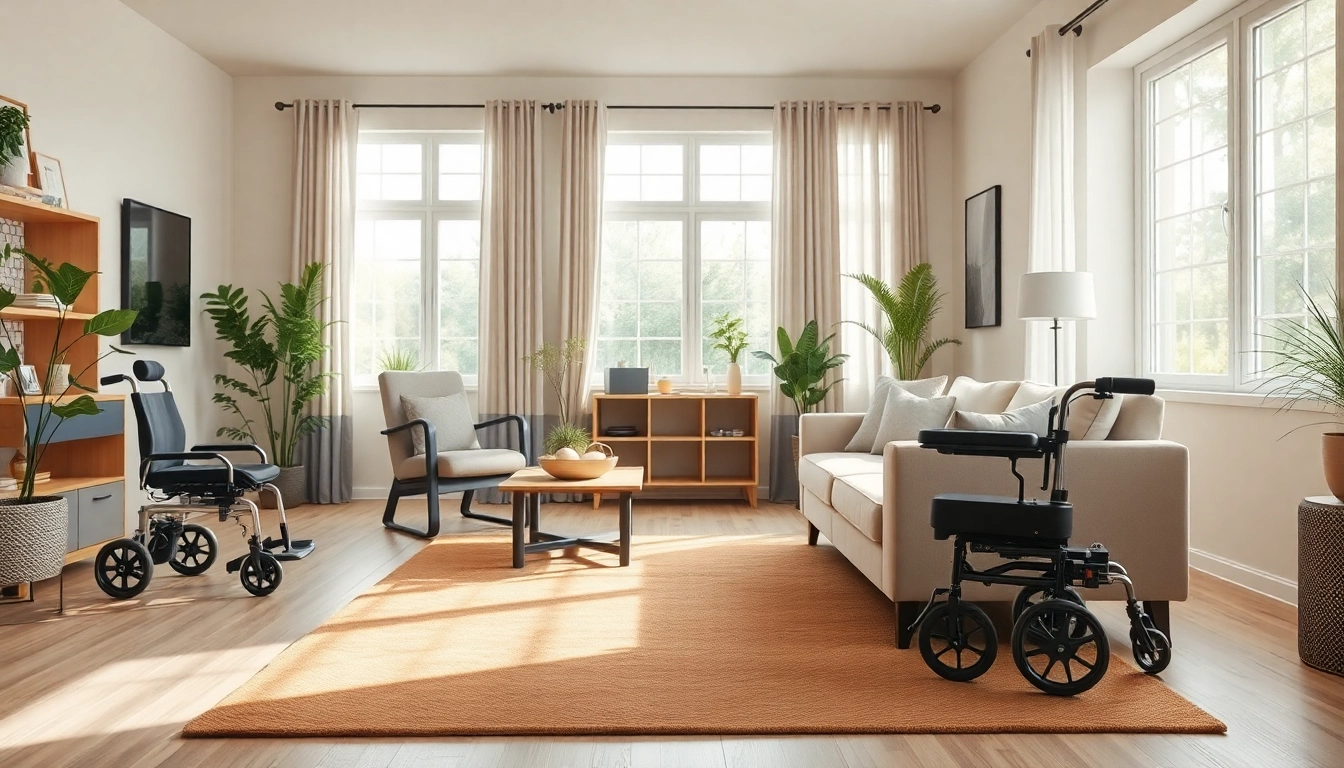
Understanding Individualised Living Options
Individualised Living Options (ILO) represent a transformative approach to disability support, allowing individuals the autonomy to shape their living situations. This framework empowers people to tailor their living arrangements according to their unique preferences, needs, and circumstances. Through various supports, individuals can decide where they want to live, the type of assistance they require, and how they can best manage their daily lives. Essentially, individualised living options provide a pathway to independence and self-determination.
Definition of Individualised Living Options
Individualised Living Options are a form of support, particularly within the National Disability Insurance Scheme (NDIS) in Australia. They are designed to allow individuals with disabilities to choose how and where they live, based on their personal aspirations and goals. This model emphasizes personalization, providing a range of services from household support to personal care, and skill development.
Importance of Personal Choice in Living Arrangements
Personal choice is paramount in the realm of disability support as it fosters dignity and respect. Individualised Living Options prioritize the preferences of the participant, ensuring that their voices are heard in decisions that directly affect their lives. This approach not only enhances the individual’s control over their life but also promotes greater satisfaction and well-being.
How Individualised Living Options Function
The functioning of Individualised Living Options revolves around collaboration among various stakeholders, including the participant, family, and support providers. The process begins with assessing the individual’s needs and preferences, followed by the development of a personalized support plan. This plan outlines the resources and strategies required to achieve the individual's living goals, emphasizing flexibility and responsiveness to changing circumstances.
Benefits of Individualised Living Options
Enhanced Independence and Self-Management
One of the primary benefits of Individualised Living Options is the enhancement of independence. By allowing individuals to choose their living arrangements, ILO enables them to take charge of their daily lives, promoting self-management. This autonomy fosters self-confidence, encouraging individuals to explore personal interests and engage more fully in their communities.
Tailored Support Services
Individualised Living Options offer tailored support services that cater specifically to the individual’s requirements. Unlike traditional care models that often apply a one-size-fits-all approach, ILO allows for the customization of services based on personal strengths, challenges, and aspirations. This tailoring includes assistance with daily living tasks, skill-building opportunities, and emotional support, all designed to enhance the individual’s quality of life.
Improved Quality of Life
The flexibility inherent in Individualised Living Options contributes significantly to an improved quality of life. Individuals have the opportunity to create a living environment that reflects their preferences—whether that means living alone, sharing space with others, or receiving support in a co-residential arrangement. The ability to choose fosters a sense of belonging, which is crucial for emotional well-being and life satisfaction.
Types of Individualised Living Options
Living Alone vs. Co-Residency
Individualised Living Options can be categorized into distinct living arrangements, such as living alone or co-residency. Living alone enhances autonomy, allowing individuals to dictate their routines and manage their space as they wish. Conversely, co-residency involves sharing a living space with peers or support providers, promoting social connections and shared responsibilities. Each option has its benefits and should be assessed based on individual needs and preferences.
Support Networks: Family and Friends
Integrating support from family and friends into Individualised Living Options can provide an additional buffer of assistance and emotional support. These informal networks play a significant role in the overall success of the participant's living arrangement. Family members can help with daily tasks or provide companionship, making the living experience richer and less isolating.
Integrating Professional Care
While informal supports are vital, integrating professional care into Individualised Living Options can enhance the quality of services received. Skilled support workers can assist with various tasks, including personal care, household management, and skill development, ensuring that the individual’s needs are comprehensively met. This blend of professional care and personal networks creates a holistic support system.
Implementing Individualised Living Options
Steps to Establish Your Individualised Living Plan
Establishing an effective Individualised Living Plan involves several key steps. Begin by assessing your needs and preferences, gathering insights from family and support networks. Next, collaborate with a professional to develop a comprehensive plan that outlines your goals, living arrangements, and required supports. Regular reviews and adjustments to the plan based on experiences and feedback ensure ongoing relevance and effectiveness.
Choosing the Right Supports
Selecting the appropriate supports is crucial to the success of individualised living arrangements. Consider factors such as compatibility with the support worker, the specific needs addressed, and the types of services offered. It may be beneficial to trial different supports to determine which best enhance your independence and comfort.
Funding and Resources Available
Funding for Individualised Living Options is often drawn from government programs like the NDIS. Eligible individuals can access various resources and funding packages tailored to their specific circumstances. Understanding the application process and available funding options can significantly alleviate financial barriers to achieving desired living arrangements.
Frequently Asked Questions about Individualised Living Options
What are the main features of individualised living options?
Individualised living options allow for personalized living arrangements, fostering independence and flexibility in care.
How do individualised living options differ from traditional housing?
Individualised living options focus on creating tailored support systems compared to conventional group living situations.
What funding is available for individualised living options?
Funding through programs like NDIS can cover costs associated with personalized supports in individualised living options.
Can I customize my individualised living plan?
Yes, individualised living plans can be customized based on personal preferences, needs, and available supports.
How do I find providers for individualised living options?
Research local providers, check online resources, and consult with disability services to find suitable options.