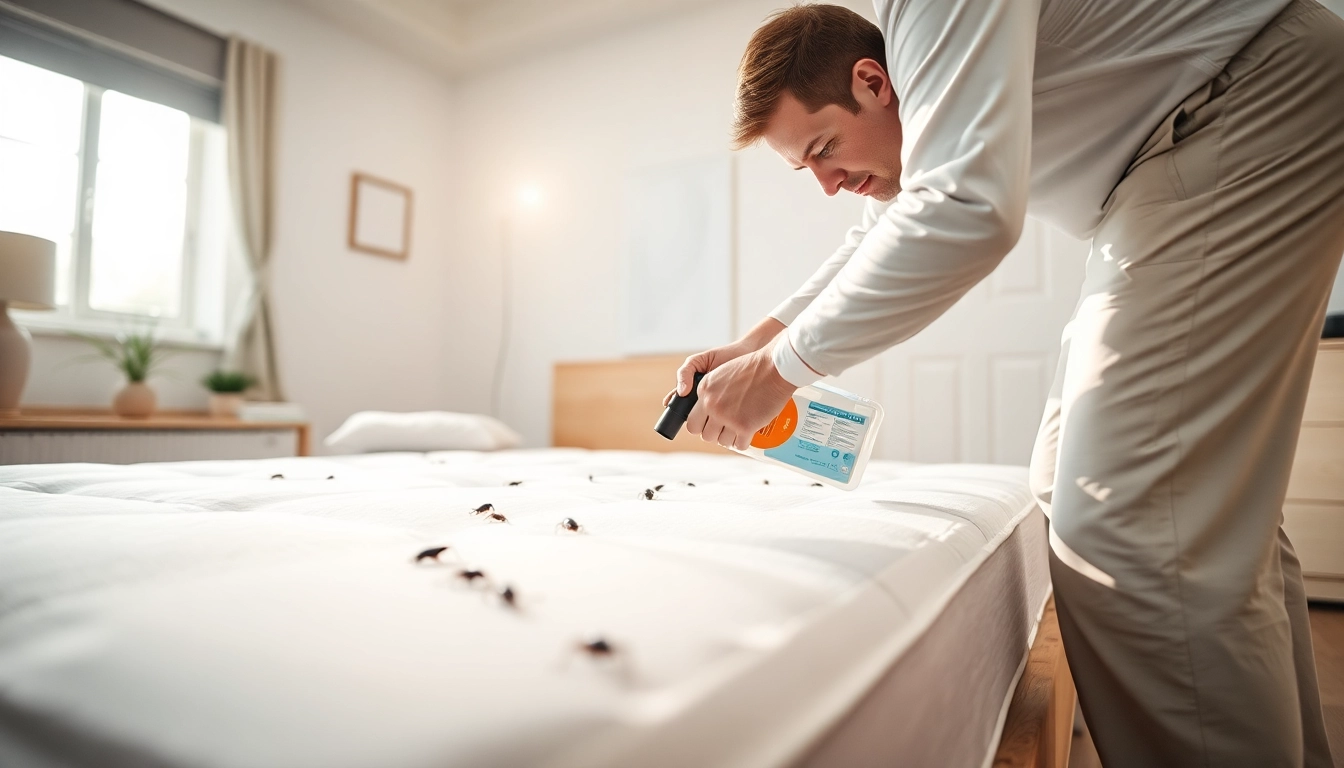
Understanding Bed Bugs
What Are Bed Bugs?
Bed bugs are small, reddish-brown insects that feed primarily on the blood of humans and other warm-blooded hosts. They are notoriously difficult to spot and often hide in the crevices of mattresses, bed frames, and furniture. Adult bed bugs are about the size of an apple seed, while their young, or nymphs, are smaller and less visible. This resilient pest has become an increasing concern in both residential and commercial settings due to its rapid reproduction rates and resistance to many common insecticides.
Signs of Infestation
Identifying a bed bug infestation early is crucial for effective management. Here are some common signs to look out for:
- Visible Bugs: Adult bed bugs are about 5-7 mm long and can often be found in hiding spots during the day.
- Stains: Dark blood spots on sheets or fabrics can indicate bed bug activity.
- Shed Skins: Bed bugs molt several times throughout their life cycle, leaving behind exoskeletons.
- Itchy Bites: Many people experience an allergic reaction to bed bug bites, resulting in itchy welts.
Health Risks Associated with Bed Bugs
Although bed bugs are not known to transmit diseases, their bites can lead to significant discomfort and secondary infections due to scratching. Anxiety and insomnia are also common among individuals suffering from bed bug infestations, further impacting mental health and quality of life. The psychosocial effects of dealing with these pests can be debilitating, making professional bed bug treatment that much more essential.
Bed Bug Treatment Methods
Chemical Treatments Explained
Chemical treatments are one of the most traditional methods for fighting bed bugs. These typically involve the use of insecticides that target the pests directly. Common pesticides include pyrethroids and neonicotinoids, both of which disrupt the nervous systems of bed bugs. However, reliance on chemicals alone can lead to resistance, making it essential to combine chemical treatment with other methods for optimal effectiveness. Additionally, it's crucial to follow all safety guidelines to protect both people and pets during application.
Heat Treatments for Bed Bugs
Heat treatment is widely regarded as one of the most effective methods for eliminating bed bugs. This technique involves raising the temperature of infested areas to a lethal level, typically between 118°F and 122°F. By using specialized equipment, exterminators can effectively eradicate all life stages of bed bugs, including eggs, in a single treatment. Heat treatment has the added advantage of being chemical-free, making it particularly attractive to environmentally-conscious consumers.
Natural Remedies: Pros and Cons
Many homeowners turn to natural remedies for bed bug control, believing they are safer alternatives. Common home remedies include diatomaceous earth, essential oils like tea tree oil, and various powders. While some may offer limited success, the efficacy and safety of these approaches vary widely. They often require repeated applications and are best used in conjunction with more established treatments. Furthermore, complete eradication with natural methods alone can be uncertain, leading many to consider these options supplementary rather than primary solutions.
Preparing for a Bed Bug Treatment
Before Treatment: Key Steps
Preparing your space before any treatment is critical. Begin by decluttering the affected areas; remove articles from floors and furniture to expose potential hiding spots. Posters, wall hangings, and other objects should also be moved. Additionally, bedding, curtains, and any washable items should be laundered in hot water and dried on high heat. A thorough vacuuming of the premises is essential to remove as many bugs as possible, especially from cracks and seams where they tend to hide.
During Treatment: What to Expect
During the treatment process, it’s important to vacate the premises or stay in a designated area away from the treatment zone. The exterminator will carry out the chosen treatment method, whether chemical or heat-based, and will typically request that residents avoid returning until treatments have been completed and the area aired out. This process can typically take a few hours to a day, depending on the preparation and treatment method.
After Treatment: Maintenance Tips
After treatment, maintaining a bed-bug-free environment requires diligence. Regular vacuuming and laundering of linens can prevent reinfestation. It’s vital to monitor common hotspots in the home, such as mattresses and upholstery, especially within the first few months after treatment. Encasements for mattresses and box springs can offer additional protection by creating a barrier between you and any remaining bed bugs.
Cost Considerations for Bed Bug Treatment
Average Costs for Professional Services
The cost of professional bed bug treatment can vary widely based on the severity of the infestation and treatment methods used. On average, homeowners can expect to pay between $300 and $1,500 for comprehensive services. Larger spaces or higher infestation levels may incur additional costs. It's advisable to seek multiple quotes and be aware of what is included in these services to gauge their value effectively.
DIY Costs vs. Professional Extermination
While DIY methods may appear more affordable initially, costs can add up quickly if multiple treatments are needed or if the infestation persists. Basic DIY treatments could range from $20 to $100 for products like insecticides or traps. However, without professional insight, there's a significant risk of incomplete eradication, resulting in the need for more extensive and costly treatments down the line.
Factors Influencing Treatment Prices
Several factors influence the overall cost of bed bug treatment, including the size of the property, the extent of the infestation, the geographical location, and chosen treatment methods. Additionally, the costs associated with any necessary pre-treatment preparations or post-treatment follow-ups can further affect pricing. Understanding these factors helps homeowners budget appropriately for effective interventions.
Frequently Asked Questions
How quickly can bed bugs be eliminated?
Bed bugs can be eliminated in one treatment session, especially with heat treatments, but complete eradication can take several weeks for severe infestations. Regular follow-ups are often recommended.
Are there home remedies for bed bugs?
Yes, some people use diatomaceous earth and essential oils, but their effectiveness can be limited. It's often best to combine these with professional treatments for best results.
How can I prevent bed bug infestations?
Preventing infestations requires regular inspections, especially when traveling or bringing secondhand furniture home. Keeping areas clutter-free also helps lessen the risks.
What is the best time for bed bug treatment?
The best time for treatment is during spring or early summer when travel increases and infestations tend to spread. However, treatments can be effective year-round.
How can I tell if bed bugs are completely gone?
Signs of a successful treatment include no new bites, no visible bed bugs or shed skins, and the absence of residual blood stains on sheets. Follow-up inspections may be necessary.