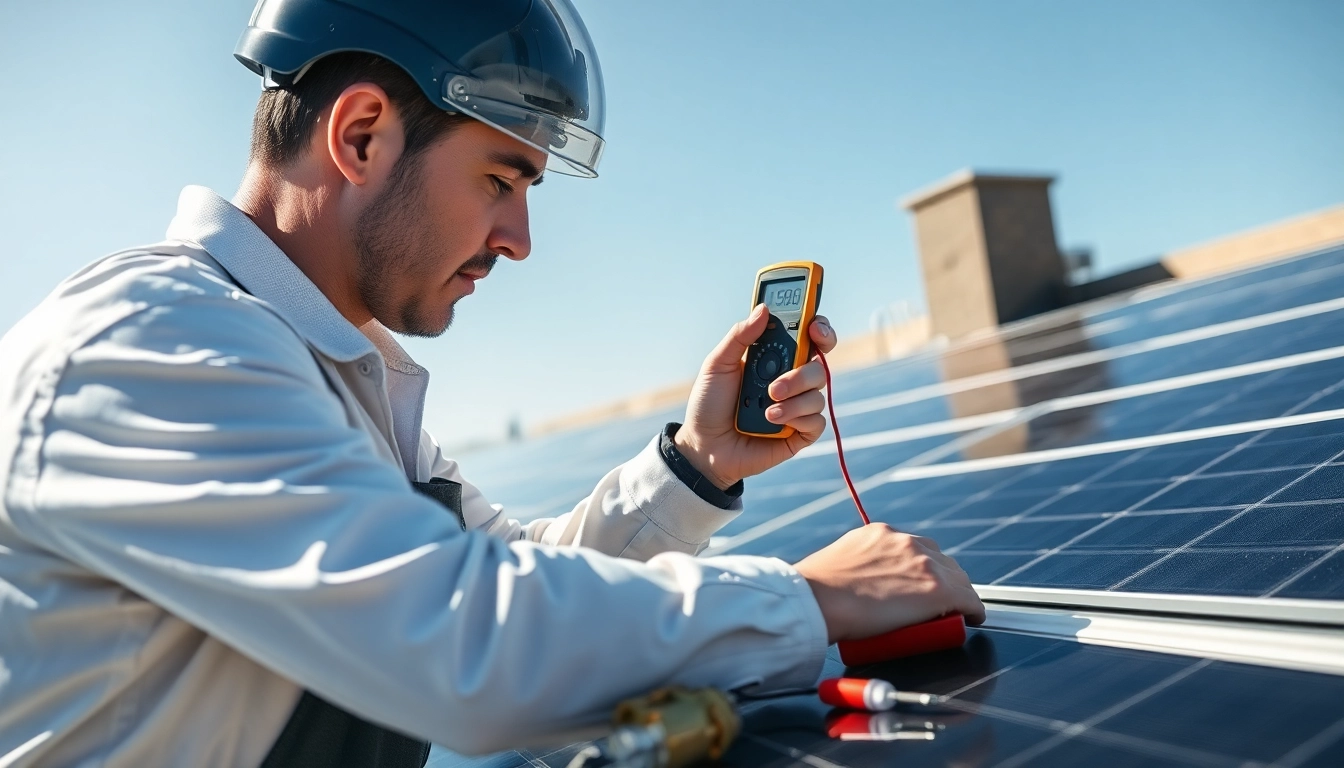
Understanding Emergency Solar Panel Repair Needs
In an energy-conscious world, the reliance on solar power systems has significantly increased. However, these systems are not immune to damages, which can disrupt power generation and necessitate urgent attention. This is where emergency solar panel repair comes into play. Understanding when and why repairs are needed can save homeowners and businesses from extended power outages and unexpected costs.
What Constitutes a Solar Emergency?
A solar emergency typically involves any situation where the solar energy system is unable to function adequately, leading to a loss of power or potential safety hazards. Common indicators of a solar emergency include:
- Physical damage to solar panels or other components.
- Unexpected system shutdowns or failures to initiate.
- Smoke or burning smells emanating from the system.
It's essential to recognize these signs promptly to mitigate further damage or safety risks.
Common Causes of Solar Panel Damage
Understanding the typical causes of damage can help in better prevention and response strategies. Some of the most common causes include:
- Weather-Related Incidents: Hail, high winds, and heavy snow can physically damage solar panels.
- Electrical Failures: Faulty wiring, inverter failures, or other electrical issues can lead to system shutdowns.
- Animal Interference: Rodents and other critters may chew through wires, causing critical damage.
Each cause may necessitate a different approach for successful repairs.
Importance of Timely Repairs
Delaying repairs can exacerbate existing issues, leading to increased repair costs and lengthier downtime. Timely intervention helps:
- Maintain energy production without significant losses.
- Prevent further damages that could lead to costly replacements.
- Ensure compliance with safety standards to avoid hazards.
Recognizing the urgency of repairs can lead to better performance and longer system lifespans.
Assessing the Damage: Initial Steps
Before engaging a repair professional, there are several initial steps homeowners can take to assess the situation. This can involve a physical inspection of the panels or observing the inverter's response.
Safety Precautions Before Inspection
Before attempting any inspection, safety should be the top priority. This involves:
- Turning off the solar energy system to avoid electrical shocks.
- Wearing protective gear, such as gloves and goggles.
- Avoiding ladders or heights if uncomfortable or untrained to do so.
It's crucial to prioritize safety to prevent any accidents.
Identifying Common Issues
Identifying specific issues can streamline repairs. Consider checking for:
- Physical cracks or debris on solar panels.
- Lighting or error codes displayed on the inverter.
- Visible signs of wear on wiring or connections.
Taking note of these observations can be invaluable information for repair professionals.
Steps for Temporary Fixes
If you identify an issue that can be temporarily resolved, consider the following steps:
- Cover broken panels with a tarp to prevent weather damage.
- Disconnect any affected components as necessary.
- Document the issues with photos for reference.
These actions can help preserve the system until professional repairs are made.
Professional Emergency Solar Panel Repair Services
When the damage requires professional intervention, knowing what to expect can ease the process significantly.
When to Call a Professional
Not every issue is suitable for DIY fixes. Some situations warrant immediate professional help:
- Presence of smoke, burning smells, or sparks.
- Damage beyond superficial (e.g., fire or water-related incidents).
- Complex electrical issues that require specialized knowledge.
When in doubt, it's better to err on the side of caution and involve professionals.
What to Expect from a Repair Service
During an emergency repair service, expect the following steps:
- A thorough assessment of the damage.
- Recommendations for necessary repairs or replacements.
- An estimate of costs and timeframes for completion.
Having clear communication and understanding can facilitate a smoother repair process.
Understanding Costs and Timeframes
The costs associated with emergency solar repairs can vary widely based on the extent of the damage and local labor rates. On average, repairs can range from a few hundred to over a thousand dollars.
Timeframes for repairs can also vary; minor fixes may be completed the same day, while major repairs could take longer, especially if parts need to be ordered. Factors influencing costs may include:
- The severity of the damage.
- Parts required for the repairs.
- Labor costs associated with the repair work.
Always request a detailed quote beforehand to avoid unexpected expenses.
DIY Approaches for Simple Repairs
If you're comfortable tackling manageable tasks, DIY solutions can save time and money while ensuring the system operates at its best. However, ensure that the situation is safe and manageable.
Tools Required for Basic Repairs
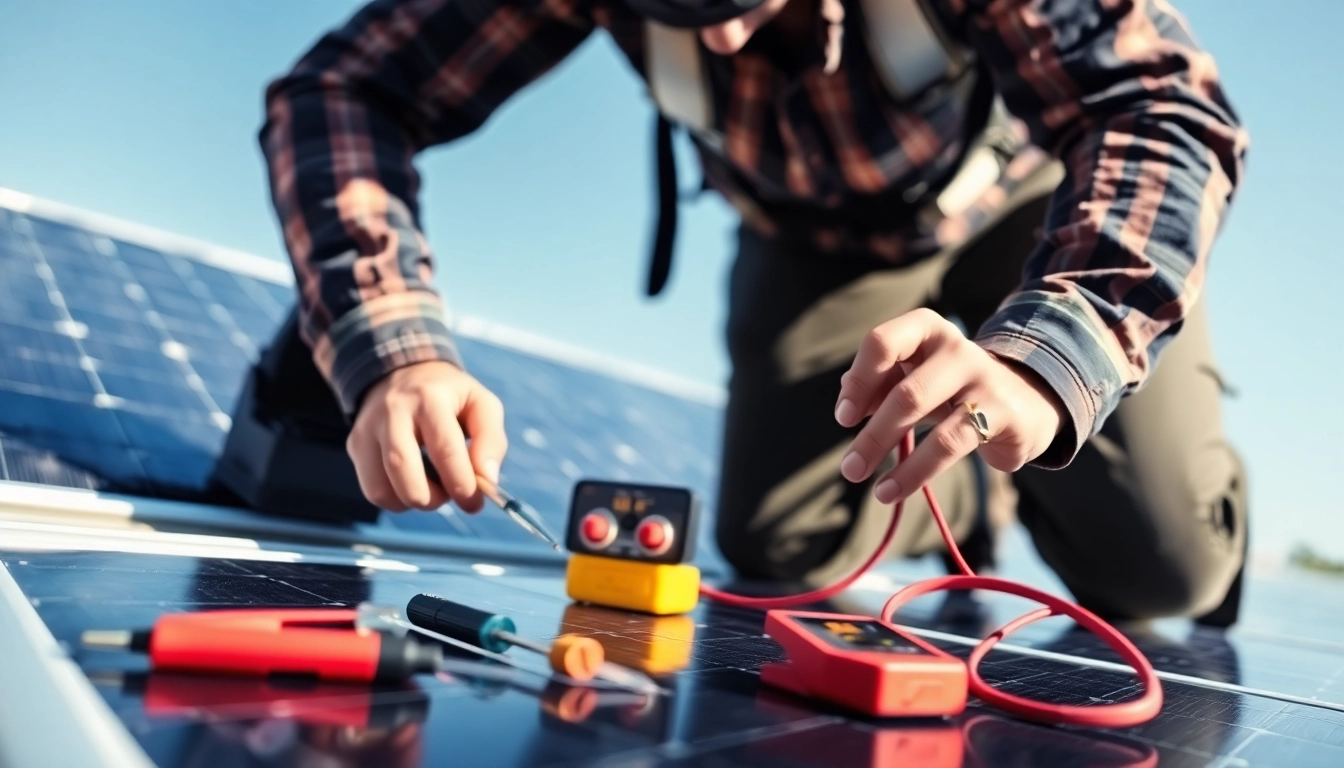
For minor repairs, having the appropriate tools is essential. Basic tools include:
- Screwdrivers (varying sizes).
- Multimeter for electrical tests.
- Safety equipment such as gloves and goggles.
Having the right tools at your disposal ensures that you are prepared for minor repairs.
Step-by-Step Guide to Common Fixes
Here are some basic steps for common issues:
- Replacing a Fuse: Open the junction box, locate the blown fuse, and replace it with appropriate specifications.
- Tightening Loose Connections: Use a screwdriver to tighten any loose wires or connections to enhance performance.
Performing these simple tasks can often restore functionality.
Dos and Don'ts of DIY Repairs
While DIY repairs can be beneficial, adhere to the following:
- Do: Document any issues for future reference.
- Don't: Attempt complex electrical repairs without professional guidance.
Following these guidelines ensures safety and effectiveness in repairs.
Maintenance and Prevention After Repair
After repairs, establishing a routine maintenance check can prolong the lifespan of your solar energy system.
Regular Inspections and Troubleshooting
Establish a schedule for regular inspections of your system, ideally every six months. During each inspection, check for:
- Plant growth or debris accumulation on panels.
- Visible signs of wear or tear on cables and connections.
- Monitoring system performance for irregularities.
Regular assessments can help catch issues early.
Tips for Maintaining Solar Panel Health
Alongside inspections, preserving your solar panels’ health involves several preventive measures:
- Keep panels clean from dust and leaves.
- Schedule professional maintenance at least annually.
- Observe the weather and check for damage after storms.
Maintaining cleanliness and vigilance contributes to optimal performance.
Resources for Ongoing Support
Consider utilizing available resources such as:
- User manuals for specific troubleshooting tips.
- Online forums or communities for advice and experiences.
- Local solar energy groups for workshops and maintenance information.
These resources can enhance knowledge and assist in managing your solar system effectively.
Frequently Asked Questions
What should I do in a solar emergency?
First, ensure your safety by shutting down the system. Then assess any visible damage and contact a professional for consultation.
How can I identify solar panel damage?
Check for visible cracks, discolored spots on panels, or malfunctioning inverters. These are indicators of potential damage.
Are DIY repairs safe for solar panels?
DIY repairs can be done for simple issues, but complex electrical fixes are best left to professionals due to safety concerns.
How much do emergency repairs typically cost?
Costs vary but can range from $400 to $1,000 based on the extent of the damage and specific parts needed for repairs.
Can maintenance prevent solar emergencies?
Yes, regular inspections and upkeep can significantly reduce the risk of emergencies by identifying issues before they escalate.