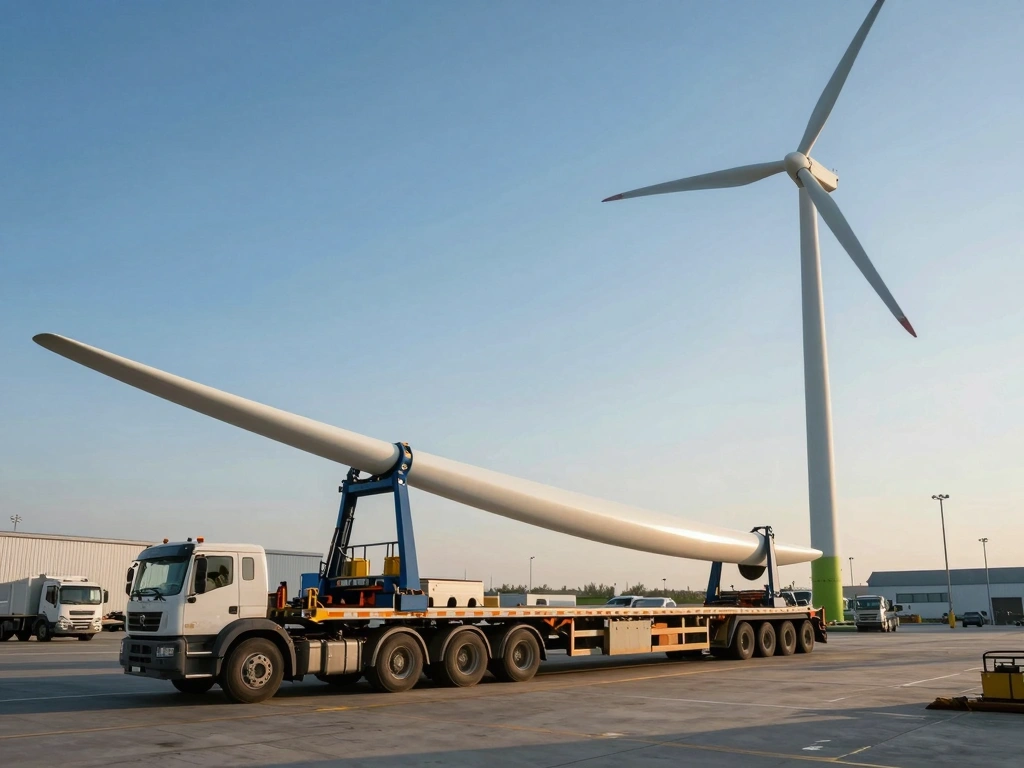
Understanding Hauling: Definition and Importance
What is Hauling?
Hauling refers to the process of transporting goods, materials, or equipment from one location to another. This term is widely utilized in various industries, including construction, logistics, and waste management, where the movement of bulky or heavy items is essential. The significance of hauling cannot be overstated, as it facilitates the efficient operation of businesses by ensuring that materials are available when and where they are needed.
The Role of Hauling in Logistics
In the realm of logistics, hauling is a critical component that links suppliers, manufacturers, and consumers. It encompasses not only the physical movement of goods but also the planning, execution, and management of the transportation process. Effective hauling contributes to:
- Streamlined supply chains.
- Reduced delivery times.
- Cost savings through optimized routing and scheduling.
- Increased customer satisfaction by ensuring timely delivery of products.
Logistics experts indicate that good hauling practices can lead to significant operational efficiencies, turning logistical challenges into competitive advantages.
Benefits of Effective Hauling Operations
Hauling operations that are managed effectively offer a range of advantages. These include:
- Cost Efficiency: By optimizing routes and minimizing idle times, businesses can reduce fuel costs and labor expenses.
- Enhanced Safety: Proper hauling practices ensure compliance with safety regulations, reducing the risk of accidents.
- Better Resource Utilization: Maximizing load capacity and using the right vehicles for specific jobs can improve operational efficiency.
- Environmental Impact: Efficient hauling can lead to a lower carbon footprint through reduced emissions from vehicles.
In summary, effective hauling operations not only support economic objectives but also contribute to sustainability goals.
Types of Hauling Services Available
Residential Hauling: Addressing Household Needs
Residential hauling services typically involve the removal of unwanted items, moving of large objects, or debris cleanup following home renovations. This segment caters to homeowners seeking convenience and efficiency. Services may include:
- Junk removal from attics, basements, or garages.
- Bulk trash pickups for regular waste disposal.
- Moving services for relocating heavy furniture or appliances.
The focus here is on providing quick and reliable solutions that enhance the living environment of clients.
Commercial Hauling: Meeting Business Requirements
In the commercial sector, hauling services are essential for various businesses, from retail to large industrial facilities. These services often entail:
- Transportation of products from manufacturers to distribution centers.
- Disposal of excess inventory or damaged goods.
- Moving supplies for events or corporate functions.
Businesses rely on commercial hauling to maintain inventory flow and ensure operational continuity, often entering contracts for regular service to meet their logistical needs.
Industrial Hauling: Supporting Large-Scale Projects
Industrial hauling pertains to transporting heavy materials, machines, or equipment for construction projects, manufacturing, and energy sectors. Key aspects include:
- Hauling of raw materials like steel, concrete, or machinery.
- Coordination of heavy load transport using specialized vehicles.
- Ensuring compliance with industry regulations and safety standards.
This type of hauling is characterized by its complexity and scale, requiring precise planning and execution due to the nature of the materials being moved.
Best Practices for Efficient Hauling
Choosing the Right Equipment for Hauling
Selecting appropriate hauling equipment is crucial for operational success. Factors to consider include:
- Load Capacity: Ensure vehicles can handle the weight and size of the materials.
- Vehicle Type: Choose from trucks, vans, or specialized trailers based on the hauling requirements.
- Fuel Efficiency: Opt for vehicles that offer lower operational costs through better fuel efficiency.
Using the right equipment not only enhances safety but also improves the overall efficiency of hauling operations.
Planning Routes and Schedules for Optimization
Effective planning is essential for minimizing delays and costs. Best practices include:
- Routing Software: Utilize technology to find the most efficient routes.
- Traffic Awareness: Stay updated on traffic conditions to avoid delays.
- Flexible Scheduling: Allow for adjustments based on weather or unexpected events.
Having a solid plan in place helps ensure that hauling operations are executed smoothly, keeping delivery commitments to customers.
Ensuring Safety Compliance in Hauling Operations
Safety is paramount in hauling operations, and adherence to regulations is essential. Key compliance measures include:
- Regular vehicle maintenance checks.
- Training drivers on safety protocols and best practices.
- Utilizing proper load securing techniques to prevent accidents.
Building a culture of safety will not only protect workers but also mitigate operational risks.
Common Challenges in Hauling
Dealing with Weather Impacts on Hauling
Weather conditions can significantly affect hauling operations. Strategies to cope include:
- Monitoring forecasts to adjust schedules and routes accordingly.
- Using weather-resistant vehicles and equipment where necessary.
- Implementing communication plans for informing teams of changes.
By anticipating weather impacts, companies can minimize disruptions and maintain service quality.
Managing Traffic and Road Regulations
Traffic congestion and road regulations can pose challenges for hauling operations. Best practices include:
- Establishing partnerships with local authorities to stay informed of road closures or regulations.
- Time management strategies to navigate peak traffic hours.
- Incorporating alternative routes when necessary.
Proactive traffic management is essential to ensure timely deliveries and maintain operational efficiency.
Mitigating Risks and Ensuring Load Security
Securing loads is critical to prevent accidents and cargo loss. To enhance load security:
- Use appropriate strapping and securing methods.
- Conduct pre-transport inspections to confirm that loads are stable.
- Train staff in load handling and delivery protocols.
By emphasizing load security, companies can protect their investments and minimize liability risks.
Future Trends in the Hauling Industry
Impact of Technology on Hauling Efficiency
The hauling industry is witnessing the integration of advanced technologies for improved efficiency. Key trends include:
- Telematics for real-time vehicle tracking and performance monitoring.
- Automation in logistics processes through AI and machine learning.
- Enhanced data analytics for optimizing route planning.
These innovations aim to streamline operations, reduce costs, and provide better service delivery.
Sustainability Practices in Hauling
Environmental responsibility is becoming increasingly important in the hauling industry. Sustainable practices encompass:
- Utilizing fuel-efficient vehicles to reduce emissions.
- Implementing recycling programs within hauling operations.
- Encouraging practices that minimize waste generation.
By adopting sustainability measures, companies not only comply with regulations but also enhance their public image.
The Future of Autonomous Hauling Solutions
Autonomous technology is poised to revolutionize the hauling industry. Potential benefits include:
- Reduced operational costs through less reliance on human drivers.
- Increased safety as autonomous systems can minimize human error.
- Enhanced efficiency through optimized driving patterns.
While still in development, these technologies portend significant shifts in how hauling services will be delivered in the future.
Frequently Asked Questions About Hauling
What is the meaning of hauling?
Hauling involves the transport of goods and materials using various vehicles. It plays a crucial role in logistics and supply chain management.
What are common types of hauling services?
Common types of hauling services include residential junk removal, commercial logistics transportation, and industrial materials hauling.
How can I choose the right hauling service?
Select a hauling service based on their specialization, equipment availability, customer reviews, and compliance with safety regulations.
What should I look for in hauling equipment?
Consider load capacity, vehicle type, fuel efficiency, and maintenance history when selecting hauling equipment for your operations.
What practices promote safety in hauling?
Implement regular safety training, conduct vehicle maintenance, and ensure proper load securing techniques to enhance safety in hauling.
Contact Information
Call Us: 4062607988Address: 3906 MT-40, Columbia Falls, MT 59912