The Importance of Screen-Free Play
In an age where screens dominate our daily lives, the call for screen-free play has never been more relevant. The rise in digital media consumption has sparked debates about its impact on childhood development. Engaging in activities that don’t involve screens fosters creativity and physical health, enriching children's lives in more ways than one. Through innovative play, we can inspire young minds to explore their world in unique ways. For more insights on screen-free play activities, visit the website.
Benefits of Limiting Screen Time
Research consistently demonstrates that limiting screen time can lead to a multitude of benefits for children. These benefits include improved sleep patterns, better focus, and enhanced academic performance. Children benefit significantly from the reduction of distractions that screens provide, allowing them to engage in creative and physical activities that help develop their critical thinking skills.
Cognitive Growth through Play
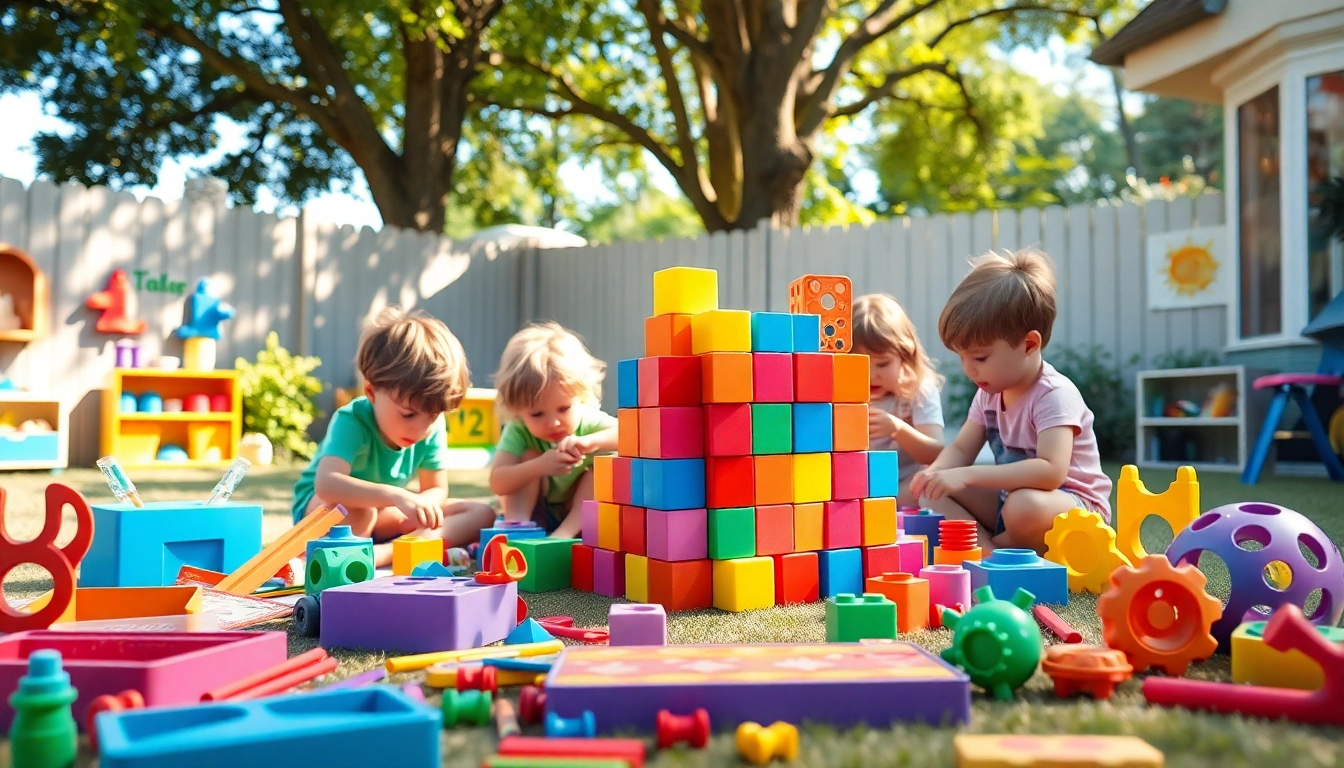
When children engage in screen-free play, they stimulate cognitive growth by problem-solving and experimenting with their surroundings. Toys that encourage exploration, such as building blocks, allow children to visualize and materialize their ideas. Engaging with these toys helps develop spatial reasoning and fosters innovation, laying a strong foundation for their cognitive development.
Enhancing Social Skills with Interactive Toys
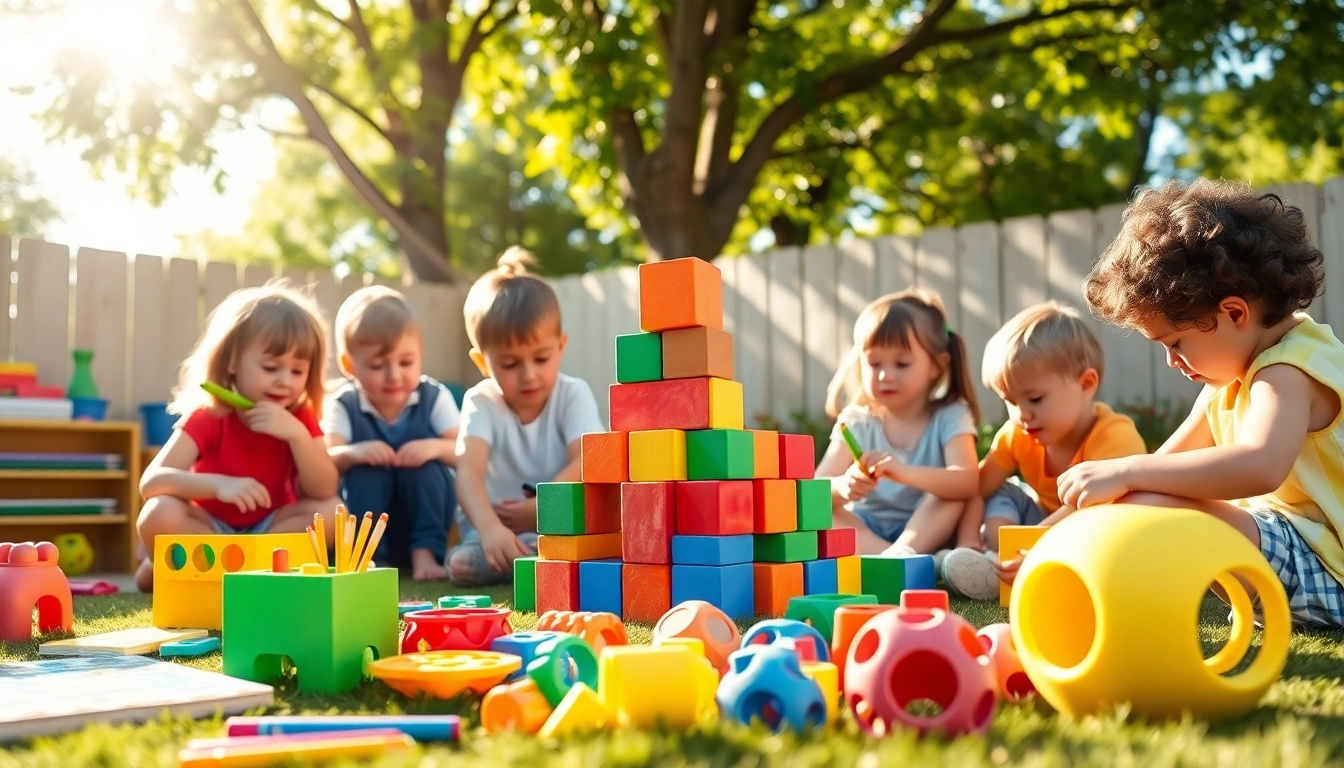
Interactive toys encourage cooperation and communication among children, enhancing their social skills. Through collaborative play, kids learn to share, negotiate, and empathize, all essential skills for future interpersonal relationships. Toys that require teamwork or craft projects foster a sense of community and teach children the value of working together towards a common goal.
Top Screen-Free Toys for Fine Motor Skills
Fine motor skills are essential for daily tasks and overall development. Here are some top screen-free toys specifically designed to enhance these skills in engaging and creative ways.
Building Blocks and Construction Sets
Building blocks and construction sets are timeless toys that provide endless opportunities for creativity. These toys encourage children to manipulate pieces, which strengthens their hand-eye coordination and dexterity. By creating various structures, children can engage in imaginative play while also developing critical spatial awareness and engineering skills. When children engage with building blocks, they also learn patience as they try to figure out how to elevate their constructions while maintaining stability.
Art and Craft Kits
Art and craft kits are fantastic for children to express themselves creatively while enhancing fine motor skills. From painting to sculpting to crafting, these kits encourage children to use their hands and practice coordination. Engaging in creative activities helps improve concentration and precision, teaching children that effort and attention to detail lead to gratifying outcomes.
Puzzles That Challenge Young Minds
Puzzles are excellent tools for developing fine motor skills while also providing cognitive challenges. They require children to use their fingers to piece together shapes, improving their dexterity. Additionally, as children work through puzzles, they develop problem-solving skills, learn to strategize, and build resilience by overcoming challenges. This dual benefit makes puzzles a must-have in any child’s playtime repertoire.
Engaging Outdoor Play Ideas
Outdoor play is essential for physical and mental well-being. Here are some engaging outdoor play ideas that promise fun and learning away from screens.
Nature-Inspired Games
Nature-inspired games, such as scavenger hunts and nature walks, encourage children to explore their surroundings while learning about the environment. Creating a scavenger hunt using items found in nature allows children to actively engage with their environment while developing observational skills. Such activities promote curiosity and foster a lasting appreciation for the natural world.
DIY Treasure Hunts
DIY treasure hunts are a fun way to combine physical activity with imaginative play. Parents can create maps and clues tailored to their children's interests. These hunts encourage critical thinking and teamwork as children work together to solve clues and find hidden treasures, reinforcing their problem-solving and cooperative skills.
Physical Activities for Active Kids
Encouraging physical activities like tag, kickball, or obstacle courses fosters a love for movement and can significantly improve a child's physical health. These activities not only develop gross motor skills but also teach children about teamwork and sportsmanship. They help in reducing stress, enhancing stamina, and cultivating a lifelong love for healthy living.
Inspiring Imagination with Role-Playing Toys
Role-playing plays a crucial role in a child's development. This section highlights the types of toys that stimulate creativity and promote imaginative play.
Dress-Up Costumes and Accessories
Dressing up allows children to explore various identities, nurturing their imagination. Costumes can range from superheroes to historical figures, encouraging children to assume different roles. This type of play helps develop empathy and communication skills as they walk in someone else's shoes and narrate their adventures out loud.
Pretend Playsets for Creative Experiences
Pretend playsets, such as kitchens, doctor kits, or tool sets, allow children to mimic adult activities, integrating learning within that play context. These sets provide rich storytelling opportunities while enhancing fine motor skills as children interact with the various components. Children learn how to navigate everyday scenarios, preparing them for real-life experiences.
Benefits of Cooperative Play in Role-Playing
Cooperative play during role-playing enhances social and cognitive skills. It encourages children to negotiate roles, resolve conflicts, and collaborate on storytelling. Such interactions foster emotional intelligence, teaching respect, patience, and the power of collaboration within a group. These skills are pivotal as they transition into different social settings throughout their lives.
Creating a Screen-Free Play Environment at Home
Establishing a screen-free environment is essential for fostering creativity and independent play. Here are ways to create a conducive atmosphere.
Setting Up a Play Zone
A dedicated play zone within the home can encourage natural exploration. This space should be stocked with a variety of toys that promote fine motor skills, creativity, and cognitive development. Organizing the area to encourage easy access and rotation of toys can make the space inviting and stimulating. A well-designed play zone can inspire curiosity and keep children engaged.
Tips for Encouraging Independent Play
Encouraging independent play can be a rewarding experience for children. Start by providing a variety of open-ended toys that allow for creative thinking. Set guidelines for playtime, allowing children to choose what and how they play, fostering autonomy. Promoting a balance of guided and independent play can help children become self-sufficient and confident in their abilities.
Ways to Rotate Toys for Fresh Engagement
Regularly rotating toys keeps children's playtime fresh and exciting. Creating a system to swap out toys periodically can reinvigorate interest and spark new ways of playing. Hidden treasures waiting to be discovered can reignite creativity, allowing children to approach the same toys with a fresh perspective. This strategy not only enhances engagement but also emphasizes the value of play over material possession.
FAQs
What are the benefits of screen-free play for children?
Screen-free play enhances creativity, boosts cognitive development, fosters social skills, and improves physical health by promoting active play and exploration.
How can I encourage my child to play without screens?
Provide a variety of engaging toys, create a dedicated play space, and set aside time for family activities that encourage interactive play without screens.
What types of toys are best for fine motor skill development?
Building blocks, puzzles, arts and crafts supplies, and interactive toys that require manipulation are excellent for developing fine motor skills in children.
How often should I rotate my child's toys?
Rotating toys every few weeks can help sustain interest and encourage creativity, allowing children to rediscover toys and engage with them in new ways.
Are outdoor activities important for children's development?
Yes, outdoor activities are essential for physical fitness, social interaction, and emotional well-being, promoting a balanced and healthy lifestyle for children.