Why Screen-Free Play is Important for Kids
In a world increasingly dominated by screens, it’s essential to understand the importance of screen-free play for children. Engaging in hands-on activities allows kids to explore their creativity, build essential skills, and develop a deeper sense of connection with their surroundings. By providing opportunities for screen-free play, parents can foster an environment rich in exploration and growth. If you're looking for great options to encourage this kind of engagement, feel free to visit the website and discover various toys and activities.
The Developmental Benefits of Hands-On Play
Hands-on play provides numerous developmental benefits for children of all ages. This type of play encourages active learning, offering opportunities for kids to experiment, analyze, and synthesize information through direct interaction. Research has shown that children who engage in hands-on activities develop better problem-solving skills, improved motor coordination, and increased cognitive flexibility. When children manipulate objects, they not only learn about physics and spatial relationships but also strengthen their fine motor skills crucial for writing and other tasks.
Reducing Screen Time: Strategies for Parents
To reduce screen time, parents can implement practical strategies tailored to their family dynamics. Setting specific limits on daily screen time usage helps create a balance between digital and physical play. Instead of allowing screens during meals or family time, designate certain hours exclusively for screen-free play. Offering an array of engaging toys, games, and art supplies can help distract from screens and enrich playtime. Engaging in family activities, such as outdoor adventures or collaborative projects, can also effectively substitute screen time, making it easier for children to engage in meaningful, face-to-face interactions.
The Impact on Imagination and Creativity
Screen-free play significantly impacts the development of imagination and creativity in children. By allowing kids to create scenarios, build structures, or tell stories without the confines of a screen, they enhance their creative thinking and narrative skills. Imaginative play encourages children to think outside the box, often leading to unique problem-solving approaches in real life. Furthermore, when children are engaged in creative activities, they learn to express themselves freely and confidently, understanding that their ideas and creations hold value.
Top Screen-Free Toys to Stimulate Learning
A diverse range of screen-free toys can stimulate learning and foster creativity in children. These toys not only entertain but also contribute to various developmental skills and cognitive growth.
Building Toys that Encourage Engineering Skills
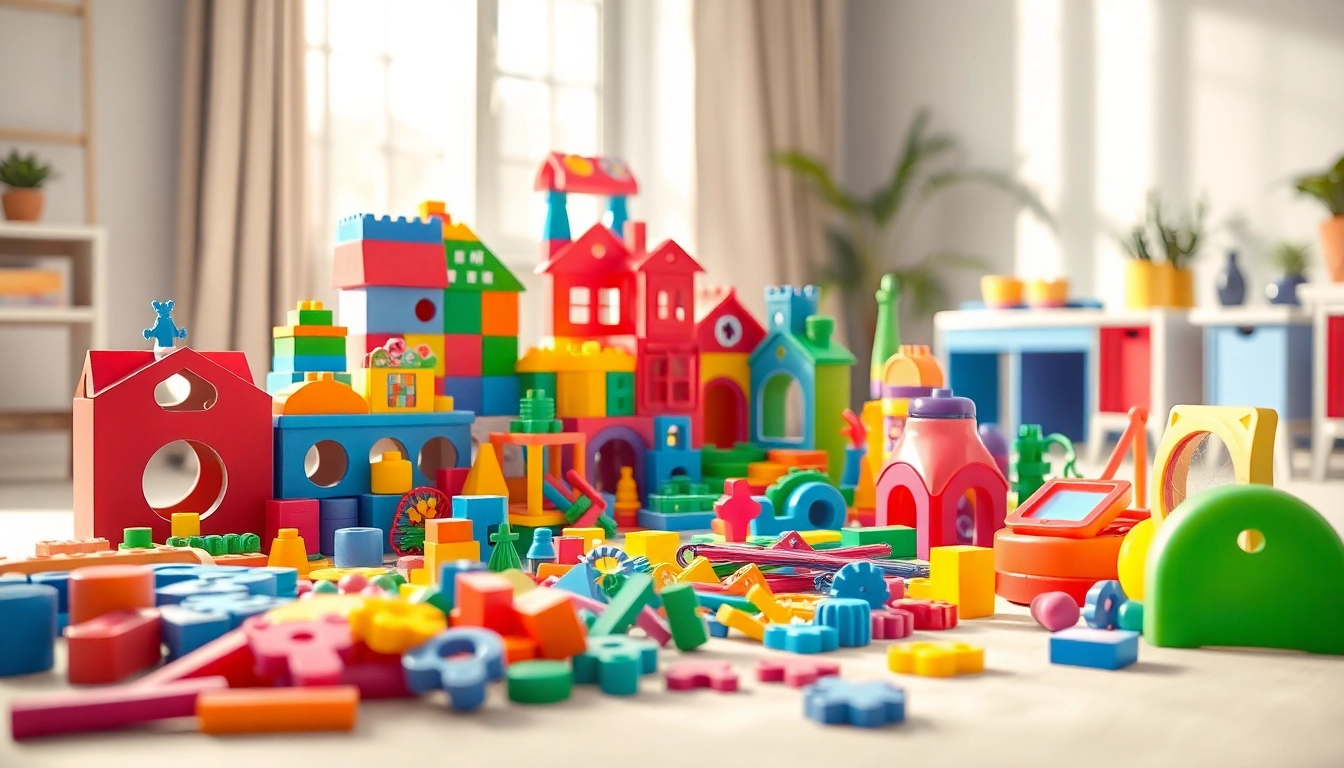
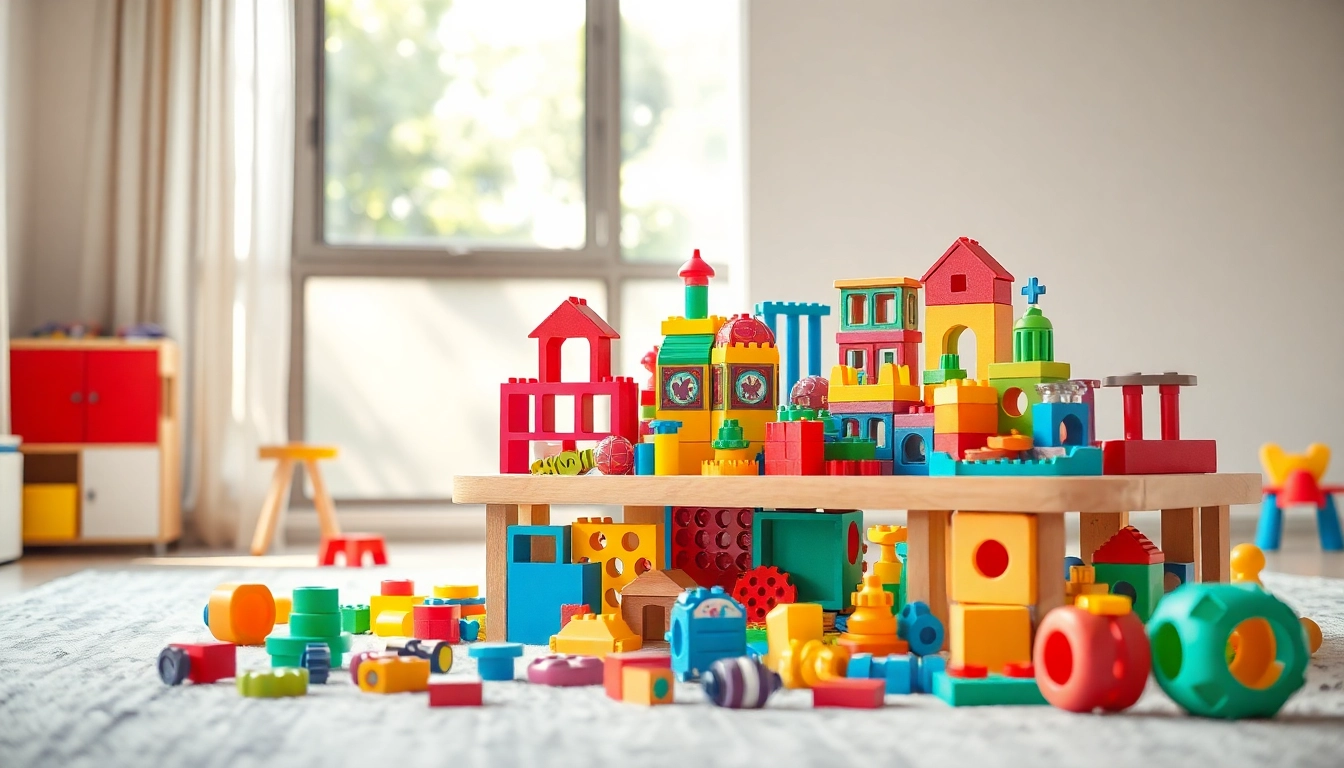
Building toys such as blocks, connectors, and construction sets offer an excellent way for children to engage in engineering concepts. These toys promote critical thinking and spatial awareness as children learn how to create stable structures. For instance, toys like interlocking blocks can help kids understand balance, gravity, and construction techniques through trial and error. Encouraging children to explore engineering through play integrates fun and education, laying a strong foundation for future STEM learning.
Art Supplies for Creative Expression
Art supplies are invaluable for fostering creative expression in children. Providing a variety of materials, including crayons, paints, markers, clay, and collage materials, allows kids to experiment with colors and textures. This engagement can enhance fine motor skills and improve hand-eye coordination as children develop techniques and styles unique to them. By creating art, children not only express their feelings and thoughts but also gain confidence in their abilities and ideas.
Interactive Puzzles and Games for Problem Solving
Puzzles and games designed for problem-solving are crucial screen-free toys that can significantly enhance cognitive skills. These activities promote logical thinking, strategic planning, and patience. Whether they are traditional jigsaw puzzles, brain teasers, or board games, these toys challenge children to think critically and work through problems. When children solve puzzles or play games together, they also develop social skills and teamwork, making the learning process a collaborative and joyful experience.
How to Create a Screen-Free Play Space
Creating an inviting screen-free play space is essential for fostering a conducive environment for hands-on activities. By designing a specific zone for play, parents can motivate children to engage with toys and games rather than seek screens.
Incorporating Toys into Living Areas
Incorporating toys into living areas invites children to interact with them while promoting a communal atmosphere. Using storage solutions like baskets or toy organizers helps keep these areas tidy while making toys accessible. Strategically placing different types of toys within reach encourages spontaneous play. A living area rich in engaging toys transforms the home into an environment primed for creativity and exploration, significantly increasing the likelihood of kids choosing play over screens.
Organizing for Easy Access and Cleanup
Organization plays a key role in facilitating screen-free play. Implementing clear storage systems helps children learn independence and responsibility in their playtime. Labeling bins or color coding toys can significantly simplify the process of picking up after play. When children can easily access their toys, they are more likely to engage with them. Efficient organization not only aids in cleanup but also sets the expectation that play is an integral part of their daily routine.
Setting Limits on Screen Time
Setting appropriate limits on screen time is essential for promoting a balanced lifestyle. Parents should establish guidelines that prioritize screen-free activities. This could mean specific 'screen-free hours' or stipulating that screens can only be used after playtime. Teaching children the importance of moderation in digital usage fosters self-regulation skills that are crucial for their development. It encourages them to seek out interactive, tangible play experiences rather than defaulting to screens.
Creative Play Ideas Using Screen-Free Toys
Creative play can take many forms when utilizing screen-free toys. Here are some engaging strategies to elevate playtime:
Themed Play Sessions to Spark Interest
Themed play sessions can spark children’s interest and engagement. By creating themes around their favorite characters, stories, or holidays, parents can offer focused and enriched play experiences. For example, a "space exploration" theme could involve building rocket ships with blocks, crafting aliens from clay, and reading books about the solar system. Themes provide context for play, encouraging kids to delve deeper into subjects while having fun.
Combining Different Types of Toys for Versatile Play
Combining various types of toys, such as building sets, art supplies, and puzzles, allows children to experience versatile play. For instance, kids can build a fort with building blocks and then decorate it with art supplies. This cross-utilization of toys encourages creativity, flexibility in thinking, and multi-faceted problem-solving skills. Combining toys not only keeps play fresh and exciting but also ignites children's imaginations to invent new games and ideas.
Encouraging Cooperative Play Among Siblings
Cooperative play is vital for social development and teamwork. Parents can facilitate this type of play by providing toys that require collaboration, such as larger building sets or board games designed for multiple players. By working together, siblings can learn essential social skills, including communication, negotiation, and empathy. These interactions foster stronger bonds between siblings and establish a supportive environment where sharing and teamwork flourish.
FAQs About Screen-Free Toys
What are the best screen-free toys for toddlers?
Toddlers benefit from stacking toys, simple puzzles, and engaging art supplies that foster fine motor skills and creativity.
How do screen-free toys aid in development?
They enhance cognitive skills, promote social interactions, and encourage imaginative play, fostering overall development.
Can screen-free toys help with focus?
Yes, they can improve attention spans, as kids engage deeply in imaginative play without distractions from screens.
Are there specific toys for different age groups?
Absolutely! Toys can be tailored to age ranges, from soft blocks for infants to complex puzzles for older kids.
How should I incorporate screen-free time into our routine?
Create designated playtimes, limit screens during meals, and encourage outdoor play to cultivate healthy habits.