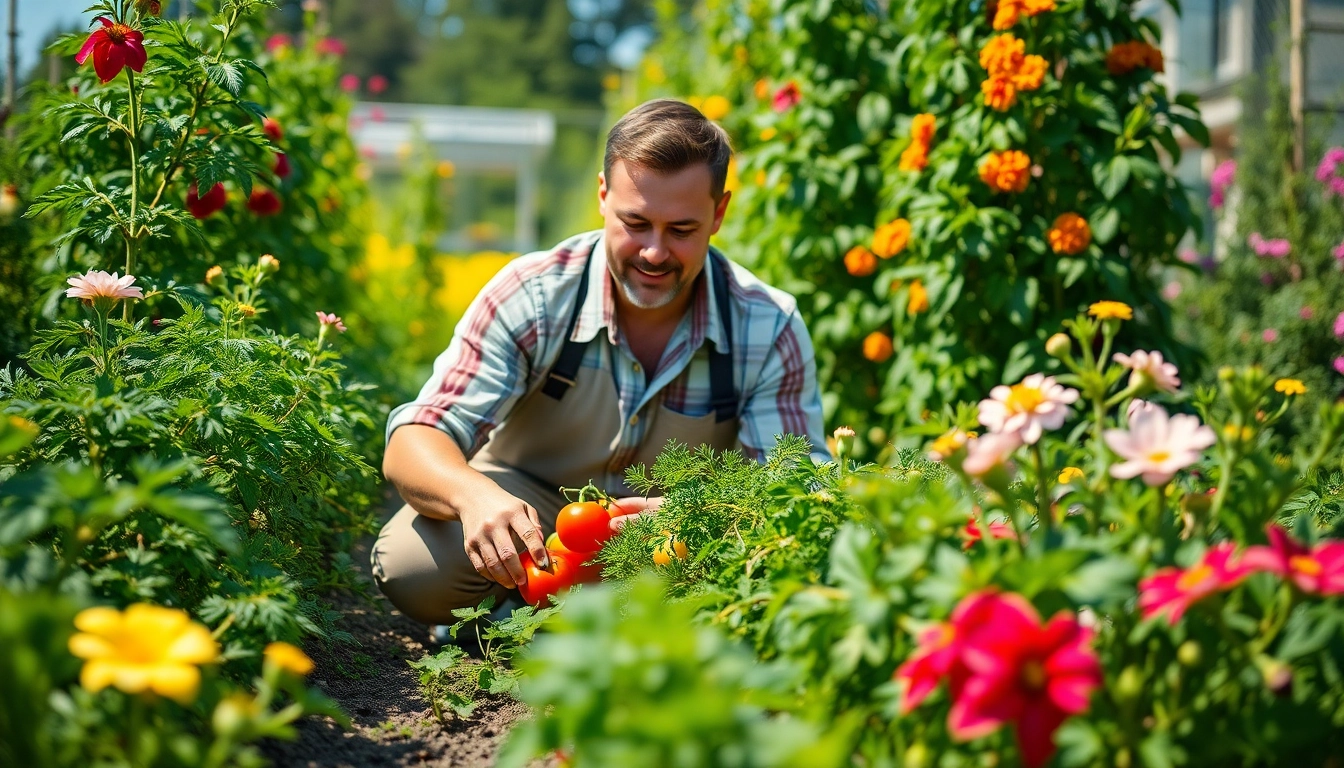
Introduction to Gardening
Gardening is the enriching process of cultivating plants for a variety of purposes, including food, aesthetics, and overall well-being. Whether you are nurturing a small herb garden on your balcony or managing an expansive backyard plot, the art of gardening brings both joy and responsibilities. Creating your own slice of nature can foster a deeper connection to the environment, provide stress relief, and yield delightful homegrown produce. For those looking to dive into this rewarding venture, Gardening serves as a pathway to explore creativity and sustainability.
What is Gardening?
At its core, gardening involves the deliberate arrangement and care of plants in an outdoor or indoor space. This practice encompasses an array of activities, from planting flowers and vegetables to designing landscape aesthetics. Gardening serves various purposes: it can be a form of food production, a hobby for relaxation, or an avenue for environmental stewardship. By understanding the fundamentals of plant growth, soil science, and seasonal cycles, gardeners can cultivate thriving green spaces tailored to their lifestyles.
History and Evolution of Gardening
The practice of gardening dates back to ancient civilizations, with evidence of cultivated plants found in archaeological sites across the globe. From the Hanging Gardens of Babylon to the floral designs of European Renaissance courts, societies have historically placed importance on gardens. Gardening has evolved over time, transitioning from a necessity for survival into a form of artistic expression and community purpose. The modern era embraces various gardening styles, including organic, permaculture, and vertical gardening, reflecting society’s changing values towards sustainability and aesthetics.
Benefits of Gardening
The benefits of gardening extend beyond the physical product of plants. Engaging in this practice offers numerous advantages:
- Health Benefits: Gardening provides both physical exercise and mental health benefits. It reduces stress, boosts mood, and encourages a more active lifestyle.
- Environmental Impact: Gardens create habitats for wildlife and support ecosystems. They can contribute to biodiversity and improve air quality.
- Food Security: Growing your own vegetables ensures access to fresh produce, promoting healthier eating habits and reducing reliance on store-bought goods.
- Creativity: Designing a garden allows for self-expression and experimentation with color, texture, and layout.
- Community Engagement: Gardening can foster connections among neighbors and inspire community gardening initiatives, bridging social gaps.
Getting Started with Gardening
Selecting the Right Plants
Choosing the right plants is critical for successful gardening. Factors to consider include:
- Climate: Understand your USDA hardiness zone, which indicates the types of plants that can thrive in your local climate.
- Sunlight: Assess the sunlight availability in your garden space; some plants thrive in full sun while others prefer shade.
- Soil Type: Different plants have various soil preferences. Conduct a soil test to determine pH and nutrient levels.
- Purpose: Decide whether you want to grow flowers, fruits, vegetables, or herbs based on your needs and interests.
Preparing Your Garden Space
Proper preparation of your garden space sets the foundation for successful growth. Steps include:
- Clearing the Space: Remove debris, weeds, and grass. A clean slate ensures better access to sunlight and nutrients.
- Soil Amendment: Enhance soil quality by adding organic matter, such as compost or aged manure, to improve fertility and drainage.
- Design Layout: Plan the layout of your plants considering their growth habits and space requirements. Use companion planting principles for better outcomes.
Essential Gardening Tools and Equipment
A well-equipped gardener can more effectively manage their space. Key tools include:
- Hand Tools: A trowel, hand rake, and weeder are essential for flower beds and vegetable patches.
- Garden Fork: Useful for turning soil and mixing in amendments.
- Watering Can or Hose: Effective watering systems ensure plants receive the moisture they need.
- Gloves: Protect hands from thorns and soil during planting and weeding.
- Shears: Pruners are vital for trimming and maintaining plant health.
Gardening Techniques for Success
Soil Preparation and Health
Healthy soil is the foundation of a flourishing garden. Consider these practices:
- Regular Testing: Conduct soil tests annually to assess pH, moisture levels, and nutrient content; amend as necessary.
- Encouraging Microbial Life: Add organic matter to enhance soil biodiversity, which is crucial for nutrient cycling.
- Crop Rotation: Practice crop rotation to prevent soil depletion and manage pests.
Watering Practices for Optimal Growth
Establishing a consistent watering routine is essential for plant health. Consider the following:
- Deep Watering: Water deeply but infrequently to encourage roots to grow deeper into the soil.
- Morning Watering: Water plants early in the day to minimize evaporation and prevent fungal diseases.
- Drip Irrigation: Install drip systems to deliver water directly to the plant roots, conserving water and energy.
Pest Management Strategies
Managing pests while avoiding harmful chemicals is possible with several strategies:
- Integrated Pest Management (IPM): Combine biological control, habitat manipulation, and resistant varieties to manage insect populations sustainably.
- Companion Planting: Use plants that naturally repel pests or attract beneficial insects.
- Regular Inspections: Frequent checks for pests can lead to early detection and treatment.
Advanced Gardening Practices
Organic Gardening Methods
Organic gardening emphasizes sustainability and environmental stewardship. Key practices include:
- No-Till Gardening: Avoid tilling to preserve soil structure and promote the habitat of beneficial organisms.
- Natural Fertilizers: Use compost, worm castings, and plant-based fertilizers to nourish your garden without synthetic chemicals.
- Pest Deterrents: Utilize natural pest deterrents, such as neem oil and insecticidal soap, to keep gardens healthy.
Seasonal Gardening Tips
Understanding seasonal changes is vital for successful planning. Here's what to consider:
- Spring: Ideal for planting cool-season crops and preparing soil.
- Summer: Focus on maintaining moisture levels and controlling pests.
- Fall: Harvest mature crops and plant cover crops to enhance soil health over winter.
- Winter: Ideal for planning next year's garden and maintenance of tools and equipment.
Incorporating Decorative Elements
Enhancing your garden aesthetic can enrich your experience. Consider these ideas:
- Garden Structures: Trellises, arbors, and pergolas can provide support for climbing plants and add vertical interest.
- Pathways: Create defined pathways for accessibility and visual appeal using materials like gravel, stones, or wood.
- Water Features: Adding fountains or ponds can create a serene atmosphere while supporting local wildlife.
Common FAQs about Gardening
How much sunlight do plants need?
The sunlight requirement varies by plant type. Most vegetables require 6-8 hours of direct sunlight daily, while some may thrive in partial shade.
What are the best vegetables to grow at home?
Beginners often have success with tomatoes, lettuce, radishes, and peppers, as they are relatively easy to grow and maintain.
How can I prevent pests in my garden?
Employing natural predatory insects, practicing crop rotation, and using physical barriers can effectively minimize pest problems without chemicals.
What is the best soil mix for container gardening?
A quality mix should include potting soil, compost, and perlite or vermiculite for good drainage and aeration, providing robust growth conditions.
How to tell if a plant is healthy?
Healthy plants exhibit vibrant foliage, strong stems, and robust growth. Watch for discolored leaves or stunted growth as signs of distress.