Understanding Beverage Packaging Company Types
The beverage packaging industry is a vital sector that facilitates the distribution and marketing of various drinks, including water, juices, soft drinks, and alcoholic beverages. Understanding the different types of beverage packaging companies is essential for brands looking to effectively position their products in an increasingly competitive market. Each company specializes in unique services, catering to diverse client needs. Working with a beverage packaging company involves navigating a landscape rich with innovation and challenges.
Overview of Beverage Packaging Types
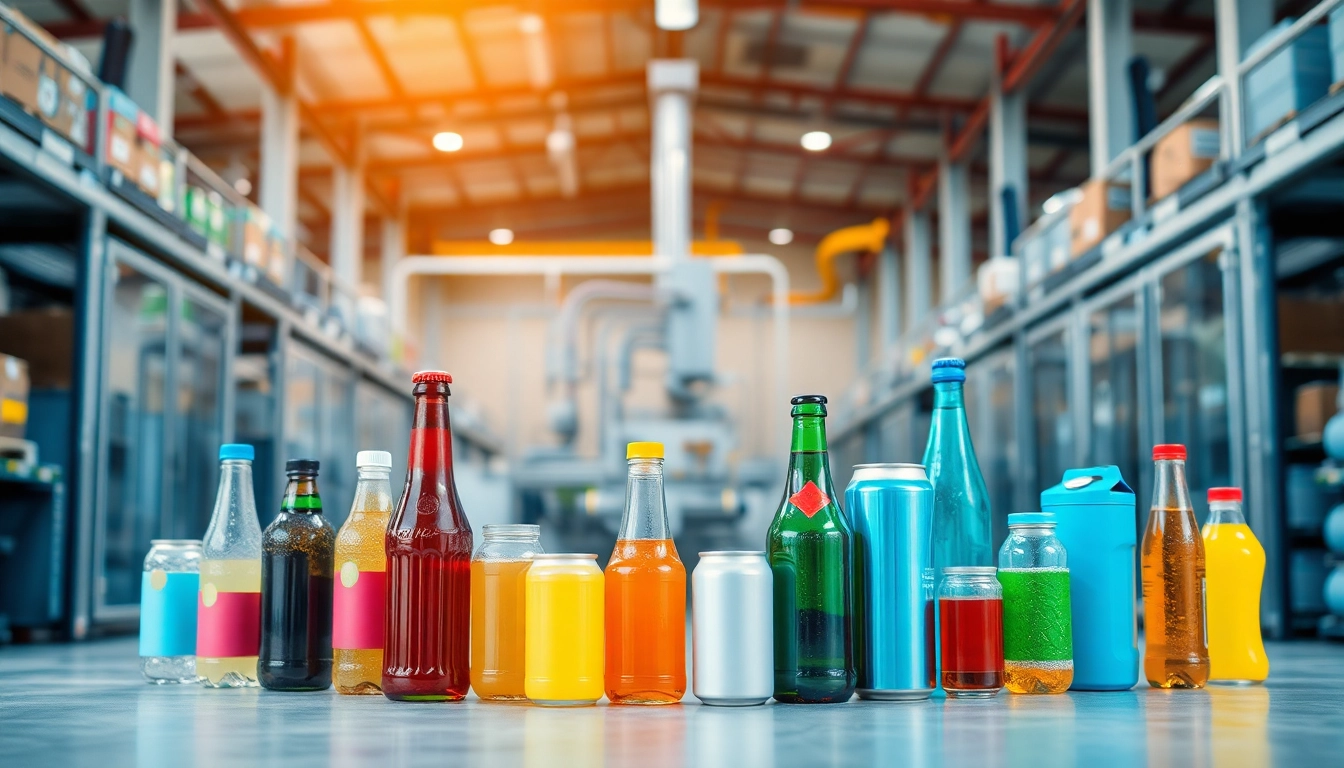
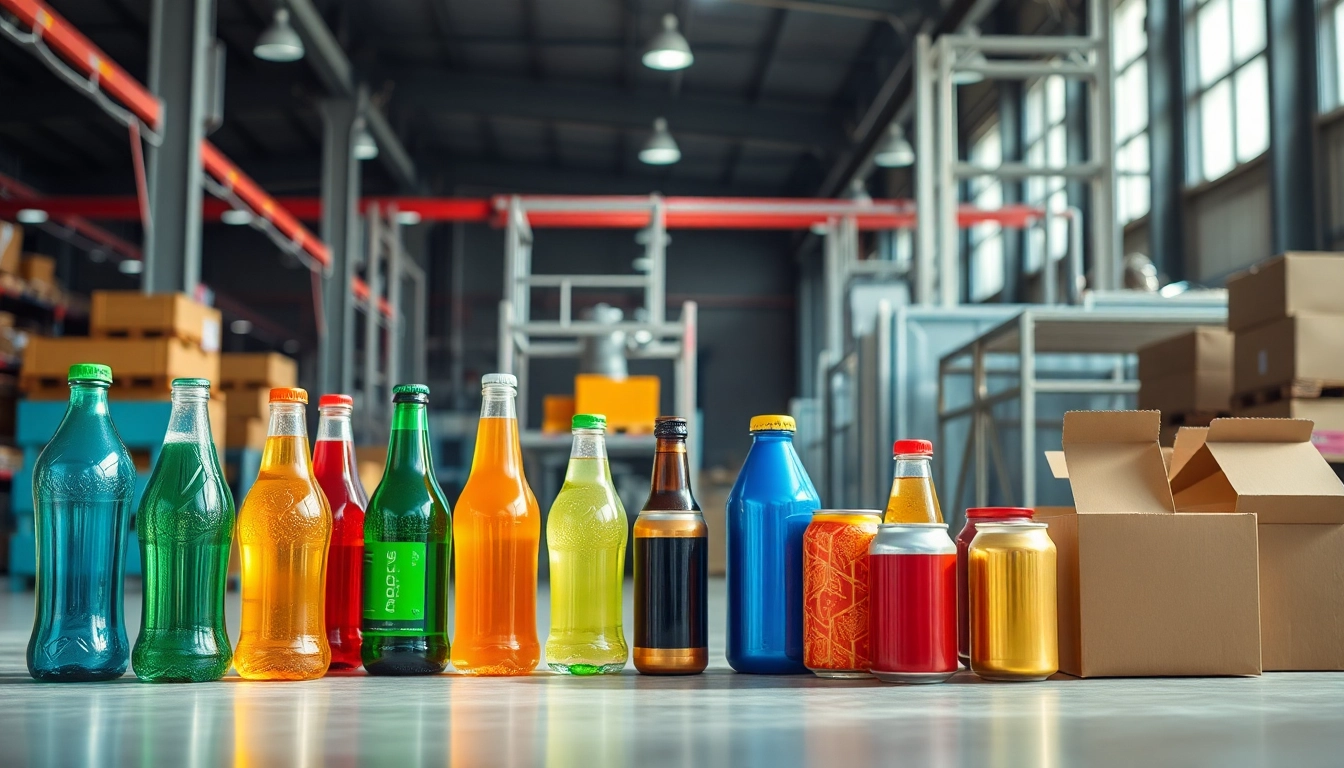
Beverage packaging can broadly be categorized into several types, including rigid packaging, flexible packaging, and semi-rigid packaging. Each type serves specific functions depending on the product and target market.
- Rigid Packaging: This includes bottles, cans, and cartons. Rigid packaging is designed for strength and durability, often ensuring that the contents remain fresh. Glass and plastic bottles are common in this category, with aluminum cans favored for beverages that require a barrier from light.
- Flexible Packaging: These packages, including pouches and bags, offer versatility in design and are lightweight. Flexible solutions are often used for juices and smoothies, where preserving freshness and extending shelf life are priorities. Innovations like resealable pouches are popular for on-the-go consumption.
- Semi-Rigid Packaging: Typically seen in containers such as tub-like structures or plastic jars, semi-rigid solutions bridge the gap between rigid and flexible packaging. They provide convenience while allowing for creative shapes and sizes.
Importance of Material Selection
Choosing the right materials for beverage packaging is crucial. Key considerations include the product itself, shelf life, and consumer appeal. Materials such as glass, plastic, aluminum, and paper have unique benefits:
- Glass: Offers a premium feel, is recyclable, and provides an excellent barrier against gas and moisture.
- Plastic: Lightweight and versatile, plastics can take many forms and can be engineered for various performance standards; however, they are critiqued for environmental impact.
- Aluminum: Ideal for carbonated drinks, aluminum cans are lightweight, recyclable, and protect against light and oxygen.
- Paperboard: Often used for juice boxes and similar packaging, paperboard is primarily made from renewable materials and is biodegradable.
Custom vs. Standard Packaging Solutions
When selecting a beverage packaging company, brands must decide between custom or standard packaging solutions. Standard options help reduce costs and are typically easier to procure. However, custom packaging allows brands to differentiate themselves through unique designs, shapes, and functionalities. For instance, custom designs may incorporate convenient features like dual openings or unique shapes that enhance consumer experiences.
Key Trends in Beverage Packaging
As consumers evolve, so do their expectations from beverage packaging. Understanding key trends can position brands for success in a dynamic landscape.
Sustainability and Eco-Friendly Materials
Today’s consumers are increasingly eco-conscious, driving brands toward sustainable packaging practices. Utilizing recycled materials, minimizing plastic use, and investing in biodegradable options are all actions companies can take to align with consumer values. Companies are exploring options such as plant-based plastics and responsibly sourced paper to reduce their carbon footprint.
Smart Packaging Technologies
Smart packaging is revolutionizing how beverages connect with consumers. Technologies like QR codes, NFC (Near Field Communication), and sensors not only enhance consumer interaction but also provide useful data for brands. For instance, QR codes can direct consumers to promotional material, while sensors can monitor freshness and quality, extending shelf life.
Impact of E-Commerce on Packaging Designs
The rise of e-commerce has profoundly influenced packaging design strategies. As beverage brands increasingly sell online, packaging must ensure products survive shipping without damage while remaining visually appealing. Compact, protective packaging solutions that reduce waste and emphasize sustainability have become essential. Brands must also consider how their products will be presented in digital markets, creating designs that capture attention in a virtual browsing environment.
Choosing the Right Beverage Packaging Company
Selecting the right beverage packaging partner is a critical step for any brand. A solid choice can significantly impact your market positioning and overall success.
Assessing Experience and Expertise
Examine the company’s track record. An established beverage packaging company will have extensive experience across various product categories and market segments. They should be familiar with regulatory requirements related to packaging, ensuring compliance at every stage. A company that has successfully operated in different markets likely has adaptable solutions that can meet your specific needs.
Evaluating Design Capabilities
Packaging design is paramount in captivating consumer interest. Assess a company's design capabilities by reviewing their portfolio. Innovative designs often incorporate practical features such as ease of use, sustainability, and customer engagement elements. Engaging with a company that prioritizes design can result in packaging that enhances the overall product proposition and establishes a strong brand identity.
Understanding Supply Chain Reliability
Reliability in supply chain management is a critical consideration. The chosen beverage packaging company must be able to deliver materials on time, prevent production delays, and efficiently manage logistics. A solid supply chain ensures that production schedules are met, maintaining product availability in the market.
Getting Started with Your Beverage Packaging Project
The journey to create effective beverage packaging starts with well-defined steps. Understanding this process can facilitate smoother transitions from concept to production.
Initial Consultation and Assessment
The initial consultation serves as the foundation for success. During this phase, brand objectives, target demographics, and product requirements should be thoroughly discussed. The packaging company can provide invaluable insights on current market trends and technologies that align with your goals. This stage is also the time to clarify expectations regarding sustainability and budget considerations.
Design and Prototyping Steps
Once objectives are established, the design phase follows, where concepts are transformed into tangible prototypes. Effective collaboration between the brand and packaging company is vital—incorporating feedback on shape, material, and design elements will refine the final product. Prototyping allows brands to assess functionality and consumer appeal before committing to full-scale production.
Production Planning and Timelines
After finalizing designs, production planning comes into play. Establishing timelines and milestones ensures that each phase of production is executed efficiently. Proper communication during this stage can help identify potential bottlenecks, allowing adjustments to maintain schedules. Monitoring progress constantly is key to adapting to changes promptly.
Measuring Success with Beverage Packaging
After launch, assessing the impact of packaging on brand performance is crucial for continuous improvement.
Feedback and Customer Engagement
Gathering consumer feedback can provide critical insights on the packaging's effectiveness, usability, and design. Strategies may include surveys, focus groups, and direct consumer engagement via digital platforms. Positive consumer feedback can reinforce brand loyalty and inform future product lines.
Sales Impact and Market Penetration
Monitoring sales data relative to packaging changes can help quantify success. An increase in sales following a packaging redesign may signal that the new packaging resonates with the target audience. Additionally, evaluating market penetration rates can inform how effectively a package appeals to newly targeted demographics.
Continuous Improvement Practices
Organizations should commit to regular reviews of packaging performance, incorporating insights to develop better solutions over time. Continuous improvement practices may involve embracing new materials, technologies, and consumer preferences to remain competitive in an ever-evolving market landscape.
Frequently Asked Questions
What materials are commonly used in beverage packaging?
Common materials include glass, plastic, aluminum, and paperboard. Each material offers unique benefits in terms of protection, sustainability, and branding potential.
How can custom packaging enhance brand visibility?
Custom packaging allows brands to differentiate themselves with unique designs and features, making products stand out on crowded shelves and in e-commerce.
What are some trends in sustainable packaging?
Trends include the use of biodegradable materials, recycled plastics, and minimalist packaging that reduces waste and emphasizes eco-friendliness.
How important is packaging design for consumer attraction?
Packaging design plays a crucial role in attracting consumers, influencing their purchase decisions through visual appeal, usability, and conveying brand message.
What should I consider when choosing a beverage packaging company?
Consider the company's experience, design capabilities, supply chain reliability, and their alignment with your sustainability goals and packaging objectives.