Understanding the Role of a Pet Food Packaging Company
The pet food industry is booming, with pet owners becoming increasingly discerning about the products they purchase for their furry companions. Within this landscape, a pet food packaging company plays a critical role in ensuring that products are not only safe and fresh but also appealing to consumers. This article delves into the importance, features, and evolving trends in pet food packaging, providing insights for those in or entering this vibrant sector.
The Importance of Effective Packaging
Effective packaging serves numerous purposes in the pet food market. Not only does it safeguard the food from contamination and spoilage, but it also works as a marketing tool. An attractive package can catch the eye of potential buyers and communicate vital product information such as nutritional content, feeding instructions, and brand values, particularly sustainability practices. Furthermore, effective packaging reduces waste and ensures that the product maintains its quality from the manufacturing plant to the consumer’s home.
Key Features of Pet Food Packaging
Good pet food packaging incorporates several key features:
- Durability: It must withstand various storage conditions, including temperature swings and moisture, to keep the product fresh.
- Barrier Properties: Proper packaging should offer adequate barrier properties to moisture, oxygen, and light, thereby prolonging shelf life.
- Resealability: Many consumers prefer packaging that can be resealed for convenience and preservation after the initial opening.
- Appeal: The visual aesthetics of the packaging, including colors, graphics, and shape, play a pivotal role in attracting potential buyers.
Market Trends in Pet Food Packaging
As the pet food market evolves, so too does the packaging landscape. Some notable trends include:
- Smart Packaging: Integration of QR codes and NFC technology allows consumers to access information about ingredients, sourcing, and manufacturing processes directly from their smartphones.
- Minimalist Designs: A shift towards simpler and cleaner designs that reflect transparency and authenticity is gaining traction among consumers.
- Sustainable Practices: Increasing consumer demand for eco-friendly packaging solutions is reshaping how companies approach their materials and processes.
Types of Pet Food Packaging Solutions
Flexible Packaging Options
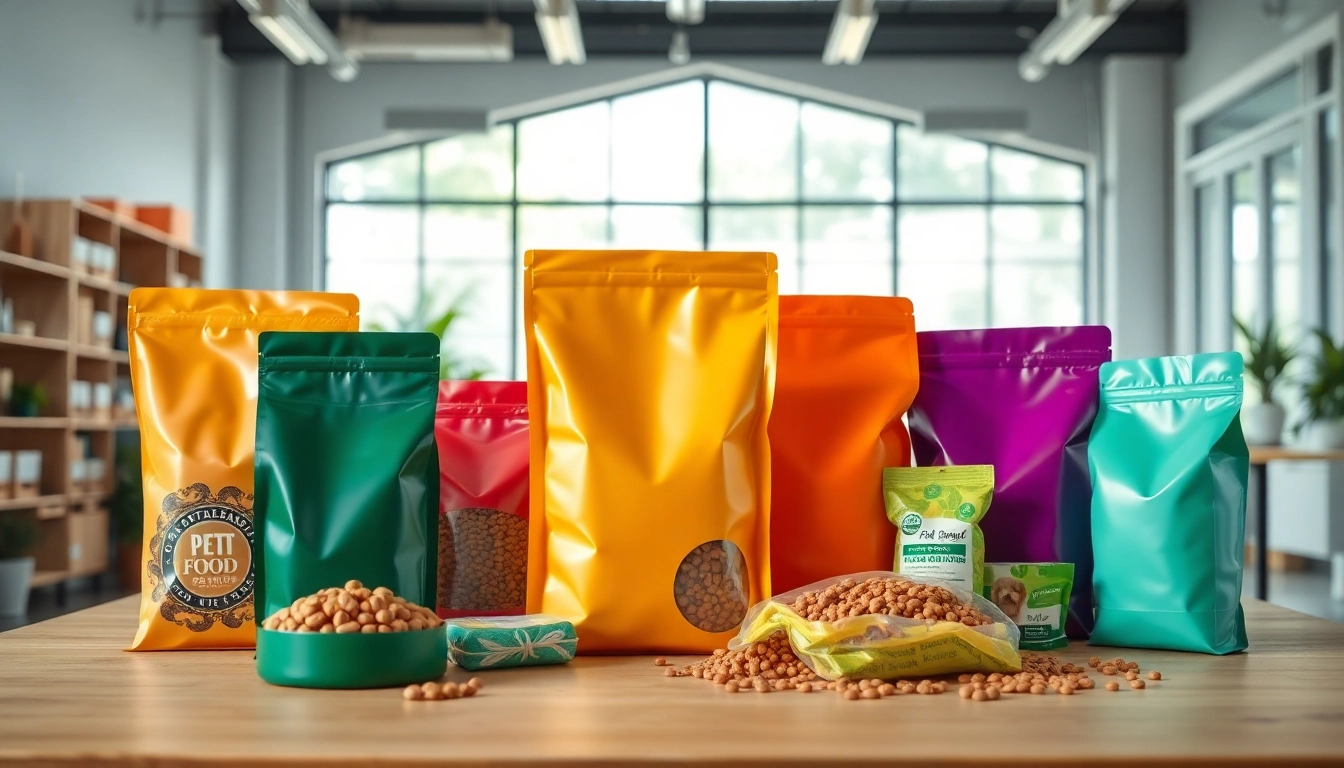
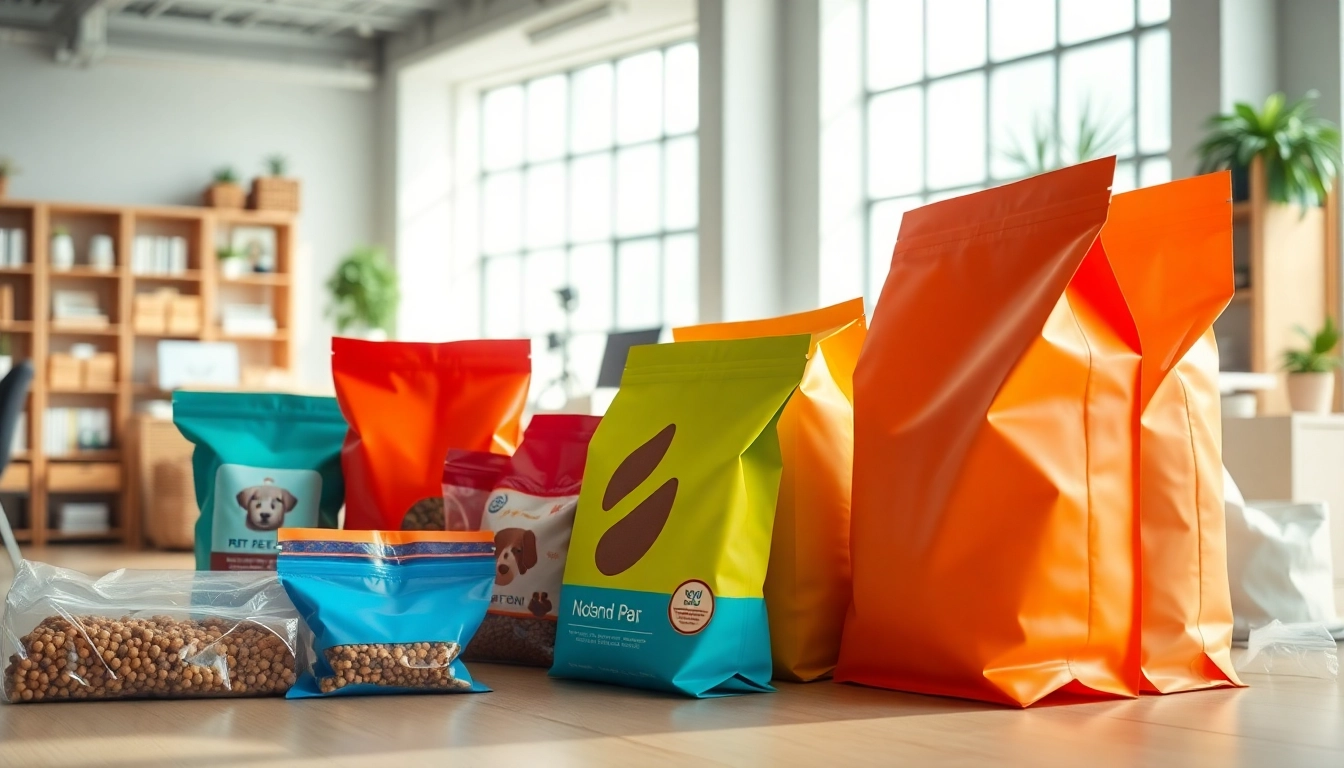
Flexible packaging encompasses a variety of materials, such as pouches and bags, which can conform to the shape of the product and take up less space. This type of packaging offers numerous advantages, including lower transportation costs and less environmental impact compared to rigid packaging. Common options include:
- Stand-Up Pouches: These provide ample visual space for branding and are highly functional.
- Barrier Bags: Multi-layer bags can effectively protect food from air and moisture.
- Flow Wraps: Ideal for individual treats or small portions, these wraps help maintain freshness.
Eco-friendly Packaging Innovations
The growing focus on sustainability has led to innovations such as biodegradable and compostable materials. Brands are utilizing renewable resources and reducing plastic usage by incorporating materials like plant-based polymers. Consumer awareness around environmental impact is driving these changes, with many pet owners willing to pay a premium for sustainable packaging options.
Customizable Packaging Solutions
Custom packaging solutions allow brands to differentiate themselves in a crowded market. Tailored options can include specialized shapes, sizes, and print designs that align with brand messaging. With advancements in digital printing technology, even small batches can be economically produced, allowing for unique designs for limited-release products or local markets.
Sustainability in Pet Food Packaging
Materials for Sustainable Packaging
Transitioning to sustainable packaging requires a thorough understanding of the materials available. Some notable options include:
- Bioplastics: Made from natural materials, these plastics can be biodegradable and compostable.
- Recycled Materials: Packaging created from post-consumer materials helps reduce waste and promote recycling.
- corrugated cardboard: This is biodegradable and often made from recycled content, making it a favorable option for pet food boxes.
Benefits of Eco-friendly Practices
Implementing eco-friendly packaging not only addresses consumer demand but also enhances brand reputation. Brands that adopt sustainable practices attract eco-conscious consumers, foster loyalty, and can often charge higher prices for ethical options. Furthermore, sustainability efforts can lead to reductions in production and disposal costs, improving overall profitability.
Case Studies of Successful Sustainable Initiatives
Prominent brands are making strides toward sustainability. For instance, companies are experimenting with plant-based packaging that decomposes in landfills. Collaborations between manufacturers and environmental organizations aim to improve recycling rates for pet food packaging actively. These initiatives not only showcase corporate responsibility but also serve as powerful marketing narratives that resonate with consumers.
Choosing the Right Pet Food Packaging Company
Criteria for Selection
When searching for a pet food packaging company, several criteria should guide your choice:
- Experience in the Industry: Look for companies with a proven track record in the pet food sector.
- Innovation: Choose a company that embraces new technologies and designs.
- Sustainability Focus: Prioritize companies that offer eco-friendly solutions aligned with your brand values.
Evaluating Quality and Compliance
Quality assurance and regulatory compliance are paramount in pet food packaging. The chosen company should adhere to stringent industry standards and possess certifications that guarantee the safety and integrity of their products. This includes food safety certifications and compliance with local and federal regulations related to packaging materials.
Customer Support and Services Offered
Evaluate the level of customer service provided by a potential packaging partner. A company that offers tailored solutions and responsive support can make the collaboration process smoother. Consider whether they provide services such as design assistance, prototyping, and logistical support, which are crucial for an efficient packaging operation.
Future of Pet Food Packaging
Technological Advancements in Packaging
As technology continues to evolve, so does the potential for innovative packaging solutions. Developments in material science are leading to stronger, more sustainable packaging options, while automation and robotics are streamlining the packaging process. Companies incorporating artificial intelligence may enhance their supply chain efficiencies, reducing costs and waste.
Adapting to Consumer Preferences
Consumer preferences will dictate future packaging innovations. Increasing demand for transparency in sourcing and ingredient use is prompting brands to rethink their packaging strategies. Companies that stay attuned to consumer values, focusing on ethical sourcing and environmental impact, will find themselves at the forefront of this competitive market.
Predictions for the Industry
The pet food packaging industry is likely to see continued growth and innovation. As environmentally friendly packaging becomes a standard rather than a niche market, companies that actively implement sustainable practices will likely succeed. The integration of smart technology, such as augmented reality features on packaging, may enhance user engagement and product storytelling.
Frequently Asked Questions
What is the best material for pet food packaging?
A combination of materials that provide barrier properties, durability, and resealability is ideal. Common materials include multi-layer films and biodegradable options.
How can I ensure my pet food packaging is sustainable?
Opt for packaging made from recycled or biodegradable materials and prioritize suppliers who adhere to sustainable practices and certifications.
What packaging format is best for dry pet food?
Resealable bags or stand-up pouches are effective for dry pet food as they provide durability, freshness, and ease of use.
How do I choose a packaging supplier?
Look for suppliers with industry experience, a focus on innovation, quality assurance, and excellent customer support.
What trends are shaping the future of pet food packaging?
Key trends include sustainable materials, smart technology integration, and designs focusing on transparency and consumer engagement.