What is a Genie Lift?
The genie lift is an essential piece of equipment in various industries, providing safe, reliable, and efficient elevation for personnel and materials. With advancements in design and engineering, Genie lifts have become synonymous with innovation, durability, and performance. They come in several models, each catering to different lifting requirements, from simple ground-level tasks to complex vertical maneuvers in challenging environments.
Overview of Genie Lift Features
Genie lifts boast a myriad of features tailored to meet diverse operational needs. Key features often include:
- Articulated and Telescopic Boom Lifts: Provide extended reach and maneuverability, perfect for accessing high or hard-to-reach areas.
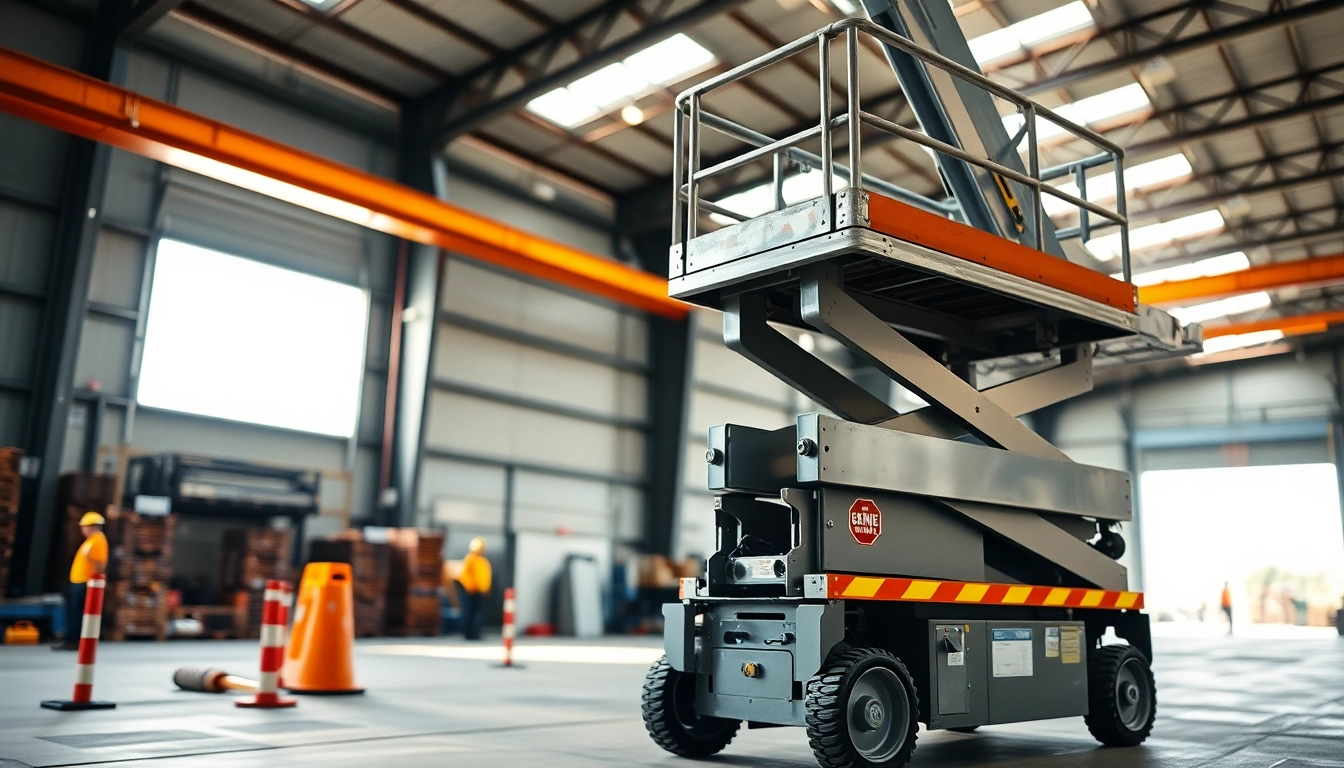
- Scissor Lifts: Equipped with platforms capable of lifting multiple workers and tools to greater heights for indoor or outdoor tasks.
- Telehandlers: Versatile machines that combine lift and drive capabilities to assist with various lifting and hauling tasks.
- Advanced Safety Features: Many models include tilt sensors, non-slip surfaces, and emergency stop buttons to ensure operator safety.
Applications in Various Industries
The utility of Genie lifts transcends industries:
- Construction: Used for tasks such as platform setup and reaching upper levels for roofing or painting.
- Maintenance: Ideal for electrical work and building maintenance where accessing height is essential.
- Warehouse Operations: Facilitates stacking and retrieving goods stored at elevated positions.
- Events and Entertainment: Useful for setting up displays and lights in venues and concerts.
Benefits of Using a Genie Lift
Integrating Genie lifts into workflows offers numerous advantages:
- Efficiency: Streamline operations by reducing time spent on manual lifting and transportation tasks.
- Space-Saving: Their compact design enables maneuvering in tight spaces, maximizing workspace efficiency.
- Ease of Use: User-friendly controls and intuitive designs make operation simple, even for less experienced operators.
- Increased Productivity: Operators can complete tasks quicker and with fewer personnel, reducing labor costs.
How to Safely Operate a Genie Lift
Operating a Genie lift safely is paramount to ensure the well-being of all personnel on-site. Here are important steps to follow:
Pre-Operational Safety Checks
Before engaging a Genie lift, performing thorough pre-operational checks is crucial:
- Inspect for Damage: Check for visible damages, particularly on hydraulic lines, wheels, and electronics.
- Verify Safety Features: Ensure that all safety devices, such as emergency stops, function correctly.
- Check Fuel and Battery Levels: Ensure sufficient fuel or battery charge is available for operation.
- Review Operating Manuals: Refer to manufacturer guidelines for specific operational checks.
Understanding Controls and Features
Each Genie lift model has distinct control layouts and features. Operators should be familiar with:
- Control Joystick: Typically used for moving the lift up, down, and side to side.
- Safety Switches: Know the location and function of all safety switches, like emergency stops.
- Platform Controls: Understand the controls located on the platform for situations where operators need to adjust height or positioning while elevated.
Safety Guidelines for Operators
To minimize accidents and ensure the safety of operators, consider these guidelines:
- Wear Proper PPE: Hard hats, harnesses, and other personal protective equipment are essential.
- Maintain Clear Communication: Use two-way radios to signal movements and ensure everyone is aware of actions being taken.
- Stay Within Load Limits: Never exceed the maximum weight capacity of the lift.
- Be Aware of Surroundings: Always be conscious of nearby pedestrians, overhead wires, and other obstacles.
Maintaining Your Genie Lift
Routine maintenance can prolong the life of a Genie lift and enhance operational efficiency:
Routine Maintenance Procedures
Regularly scheduled maintenance tasks include:
- Cleaning: Keeping the chassis and moving components clean can prevent excessive wear and tear.
- Lubrication: Ensure moving parts are adequately lubricated according to the service manual.
- Battery Maintenance: For electric models, regularly checking battery condition and connections is vital for performance.
- Professional Inspections: Arrange for professional inspections at least annually or as recommended by the manufacturer.
Common Issues and Solutions
Understanding common issues can help operators troubleshoot effectively. Common problems include:
- Hydraulic Leaks: Inspect hoses and seals; replace damaged components immediately.
- Electrical Issues: Check connection cables for frays or loose connections, troubleshooting as necessary.
- Unresponsive Controls: Ensure that the emergency stop is disengaged and check the condition of the joysticks.
When to Seek Professional Help
While routine maintenance can be performed by operators, there are circumstances that warrant professional assistance:
- Complex Repairs: If a major component is damaged, consult a certified technician.
- Ongoing Performance Issues: Persistent operational problems must be looked at by professionals.
- Ensuring Compliance: For legal compliance, certain inspections and certifications may require licensed professionals.
Comparing Genie Lifts to Other Equipment
Understanding how Genie lifts relate to other equipment is essential for making informed purchasing decisions:
Genie Lift Versus Scissor Lifts
While both serve the purpose of elevating personnel and materials, Genie lifts offer more versatility with horizontal reach capabilities. Scissor lifts excel in worksite stability and ground-level tasks. Choose based on the specific conditions and height required.
Genie Lift Versus Traditional Lifts
Genie lifts provide advanced safety features, easier maneuverability, and often have a smaller footprint than traditional lifts, which tend to be bulkier and less efficient in confined spaces. The choice hinges on task requirements and site conditions.
Choosing the Right Equipment for Your Needs
The best approach to selecting equipment involves assessing specific task requirements, workspace conditions, safety considerations, and operator experience. Always conduct a thorough analysis before making a decision.
FAQs About Genie Lifts
What industries use Genie Lifts?
Genie lifts are utilized across various industries, including construction, maintenance, warehousing, and entertainment for their versatility in high-reaching applications.
How tall can a Genie Lift reach?
Genie lifts can typically reach heights ranging from 20 to 150 feet, depending on the model and intended use, making them effective for various elevation tasks.
What is the weight capacity of a Genie Lift?
Most Genie lifts have weight capacities ranging from 500 to over 1,000 pounds, depending on design and model, ensuring sufficient support for workers and materials.
Are Genie Lifts easy to operate?
Yes, Genie lifts are designed with user-friendly controls and intuitive interfaces, making them accessible for operators of all experience levels with proper training.
How often should a Genie Lift be serviced?
Genie lifts should undergo routine maintenance checks at least annually and before any major operation to ensure safety, reliability, and compliance.