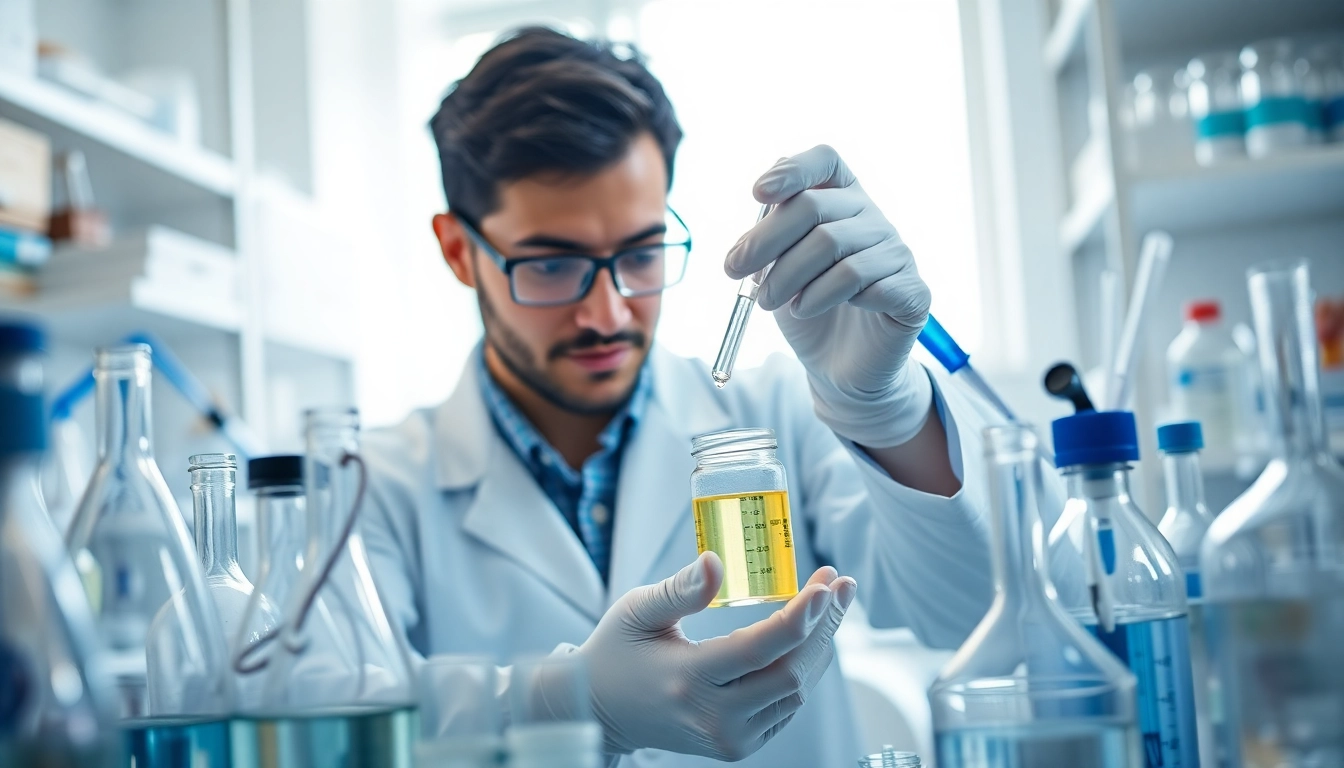
Understanding Research Peptides
Definition and Significance
Research peptides, short sequences of amino acids, play a crucial role in various scientific domains like biochemistry, pharmacology, and therapeutic development. They mimic or enhance the functions of naturally occurring proteins. This makes them vital for studying biological processes and developing new treatment options for diseases.
Types of Research Peptides
There are numerous types of research peptides, each with unique properties and functions. They can be categorized based on their origin, structure, or purpose. Some common types include:
- Hormonal Peptides: These peptides, such as insulin and growth hormone-releasing peptides, regulate numerous physiological processes.
- Cytokines: Small signaling proteins that mediate and regulate immune responses.
- Neuropeptides: Involved in neurotransmission, they influence a wide variety of bodily functions, including stress response and pain management.
- Antimicrobial Peptides: Short sequences that can combat bacteria and viruses.
Applications in Science
Research peptides are utilized in various fields including drug development, diagnostics, and as therapeutic agents. For instance, they help in enhancing our understanding of cell signaling pathways, evaluating the efficacy of medications, and improving treatment modalities for chronic conditions like diabetes and cardiovascular diseases.
Reconstitution Solutions in Peptide Research
What is a Reconstitution Solution?
A reconstitution solution is a solvent used to dissolve lyophilized (freeze-dried) peptides into a usable form. This transformation allows researchers to manipulate and study the peptides effectively, facilitating various experiments. A correctly prepared reconstitution solution is critical for maintaining the stability and activity of peptides.
How to Properly Prepare Reconstitution Solutions
Preparing a reconstitution solution involves several essential steps:
- Select the Appropriate Solvent: Choose a solvent based on the peptide’s solubility and stability characteristics. Common solvents include sterile water, saline, or specific buffers.
- Employ Proper Technique: Utilize sterile techniques to prevent contamination. Use sterile syringes and needles when transferring the solution.
- Gentle Mixing: Once the peptide is added to the solvent, swirl gently to promote dissolution. Avoid vigorous shaking, which can damage the peptide structure.
- Store Correctly: After preparation, aliquot the solution into sterile containers for storage to enhance stability.
Common Mistakes to Avoid
When preparing reconstitution solutions, certain mistakes can compromise peptide integrity:
- Using Non-Sterile Equipment: This increases the risk of contamination.
- Choosing Incorrect Solvents: Using the wrong solvent can lead to incomplete dissolution or degradation of the peptide.
- Excessive Agitation: Overmixing can result in the denaturation of peptides.
- Inadequate Storage: Improper storage conditions can reduce the peptide's effectiveness, making it essential to follow specific guidelines for each peptide compound.
Best Practices for Peptide Handling
Storage and Stability of Peptides
Proper storage is paramount for maintaining the efficacy of research peptides. They should be stored in a cool, dry environment. Generally, refrigeration at 4°C is suitable for short-term storage, while temperatures at -20°C or lower are recommended for long-term storage. Away from light and moisture is essential to minimize degradation.
Administration Techniques
Effective administration of peptides is vital for achieving desired outcomes during research. Common methods include:
- Injection: Subcutaneous or intramuscular injections facilitate direct absorption into the bloodstream.
- Intranasal Delivery: This method allows for rapid absorption while bypassing the digestive system.
- Topical Applications: Certain peptides can be delivered through the skin for localized action.
Understanding Dosage and Effects
The dosage depends significantly on the peptide type and its intended use. Researchers must consider factors like body weight, specific physiochemical properties of the peptide, and the overall health condition of the model being studied. Careful titration and monitoring are advised to observe the peptide's effects accurately.
Innovations in Peptide Research
Recent Breakthroughs
Peptide research has recently seen exciting advancements, including the development of peptide-based drugs that show promise in treating conditions previously deemed untreatable. Innovations in peptide synthesis and modification techniques are expanding the therapeutic potential of these molecules, paving the way for personalized medicine approaches.
Future Trends in Peptide Applications
Emerging trends indicate that peptides will play a crucial role in therapeutic development, especially in oncology and autoimmune diseases. Advances in delivery methods and combinatorial peptide libraries hold the potential to create more targeted therapies with improved efficacy and reduced side effects.
Ethical Considerations in Research
As peptide research progresses, ethical considerations remain paramount. Researchers must address issues related to informed consent, the use of animal models, and the implications of peptide-based therapies. Upholding ethical standards ensures the integrity of research and fosters public trust in scientific advancements.
FAQs about Research Peptides
What are research peptides used for?
Research peptides are primarily used in experimental studies to investigate biological processes, treatment effects, and various therapeutic applications.
How do you store research peptides?
Research peptides should be stored in a cool, dry environment, ideally in a freezer or refrigerator, to maintain their stability and efficacy.
Can I create my own reconstitution solution?
Yes, you can prepare your own reconstitution solution using sterile water or specific solvents as per the peptide’s requirement. Always follow best practices.
What precautions should I take when handling peptides?
Always use gloves and proper lab equipment to minimize contamination and ensure safety when handling peptides and related chemicals.
Do research peptides expire?
Yes, research peptides can have a shelf life that varies by type and storage conditions; check the manufacturer's guidelines for specific details.