
Introduction
Modern surveillance systems are evolving rapidly, and one of the most impactful advancements is the ability to transform existing infrastructure using Computer Vision for CCTV. Instead of replacing traditional security cameras, businesses can upgrade them with intelligent analytics powered by Computer Vision for CCTV to unlock real-time insights, automation, and advanced monitoring capabilities.
With Computer Vision for CCTV, organizations can convert passive video recording systems into active decision-making tools. This transformation allows businesses to analyze foot traffic, improve security, and optimize operations without investing heavily in new hardware. The true power of Computer Vision for CCTV lies in its ability to bring artificial intelligence into already-installed surveillance networks.
What Does It Mean to Transform Existing Cameras?
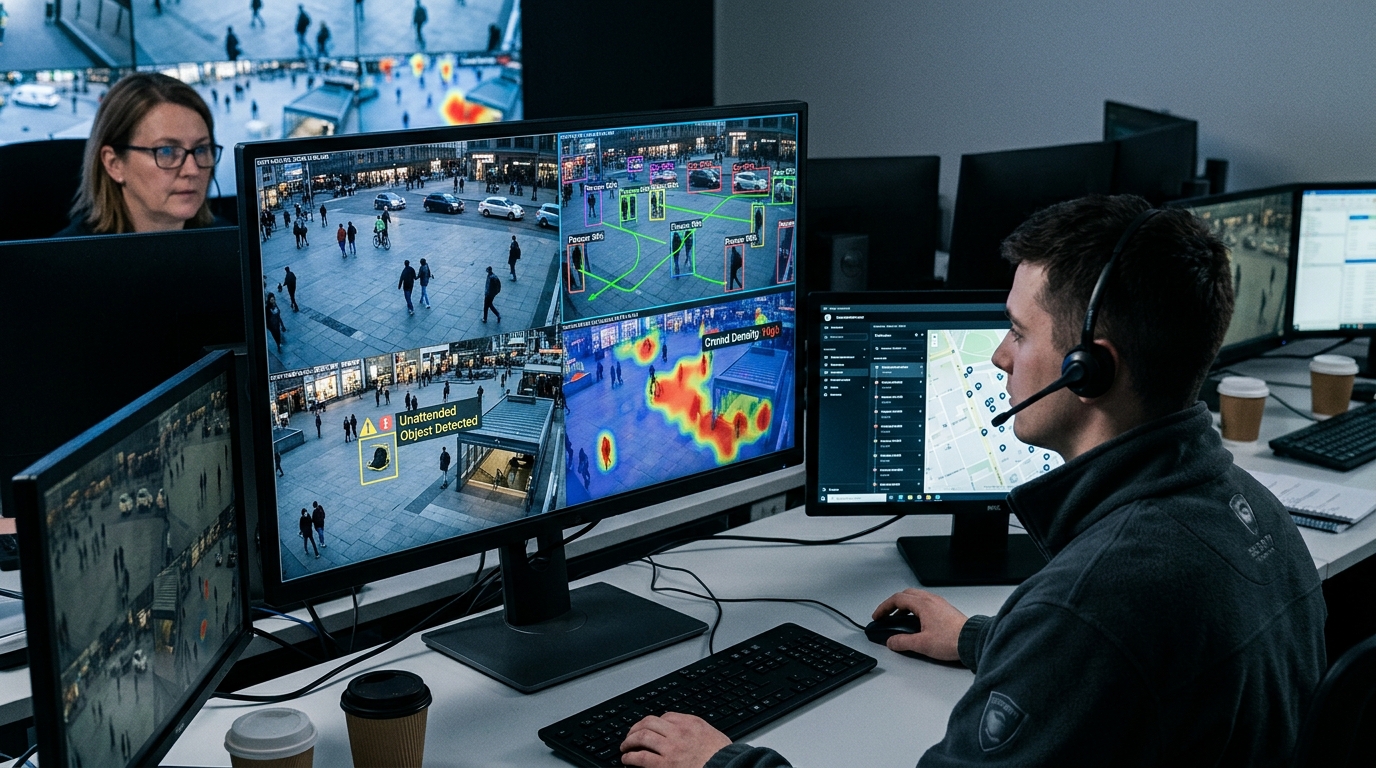
Transforming existing cameras means upgrading traditional CCTV systems with AI-based intelligence layers. By integrating Computer Vision for CCTV, standard video feeds become data-rich sources that can be analyzed automatically.
Instead of simply recording footage, Computer Vision for CCTV enables systems to detect objects, track movement, and generate actionable insights in real time. This makes legacy camera systems significantly more valuable without requiring physical replacement.
Key Idea Behind Transformation
The core concept of Computer Vision for CCTV transformation is software-based intelligence. Rather than changing hardware, the system enhances video interpretation through algorithms, machine learning models, and deep neural networks.
How Computer Vision for CCTV Upgrades Existing Systems
The process of upgrading traditional surveillance with Computer Vision for CCTV involves several technical layers that work together to interpret video data.
Step 1: Video Input Integration
Existing CCTV cameras continue capturing footage as usual. The difference is that Computer Vision for CCTV systems tap into this feed for real-time analysis.
Step 2: AI Model Deployment
Deep learning models are applied to detect humans, objects, and movement patterns. With Computer Vision for CCTV, these models continuously learn and improve accuracy over time.
Step 3: Data Processing and Tracking
Once objects are detected, Computer Vision for CCTV tracks their movement across frames, ensuring precise counting and behavior analysis.
Step 4: Insight Generation
Finally, Computer Vision for CCTV converts raw video data into dashboards, alerts, and reports that support decision-making.
Benefits of Transforming Existing Cameras with Computer Vision for CCTV
Upgrading traditional systems with Computer Vision for CCTV delivers significant advantages across industries, from retail to logistics and manufacturing.
Cost Efficiency
One of the biggest advantages of Computer Vision for CCTV is cost savings. Businesses avoid replacing entire surveillance infrastructures and instead enhance what already exists.
Real-Time Intelligence
With Computer Vision for CCTV, organizations gain real-time insights into customer behavior, security threats, and operational bottlenecks.
Improved Operational Efficiency
Using Computer Vision for CCTV, businesses can optimize staffing, reduce congestion, and improve service delivery.
Enhanced Security Monitoring
Computer Vision for CCTV detects unusual activities, overcrowding, or unauthorized movement, strengthening overall security.
Key Applications of Computer Vision for CCTV in Existing Systems
Transforming cameras with Computer Vision for CCTV unlocks a wide range of applications that go beyond traditional surveillance.
Retail Analytics
Retailers use Computer Vision for CCTV to monitor customer footfall, analyze shopping behavior, and optimize store layouts.
Queue Management
With Computer Vision for CCTV, businesses can track queue length and waiting times to improve customer experience.
Workplace Monitoring
Factories and warehouses leverage Computer Vision for CCTV to track employee movement and ensure safety compliance.
Smart Infrastructure
Cities use Computer Vision for CCTV to monitor crowd density, traffic flow, and public space utilization.
Why Upgrade Instead of Replace CCTV Systems?
Many organizations assume they need new cameras to adopt AI, but Computer Vision for CCTV proves otherwise. Existing infrastructure is often sufficient when paired with intelligent software.
Maximizing Existing Investment
Instead of discarding functional hardware, Computer Vision for CCTV enhances its value through software upgrades.
Faster Deployment
Since cameras are already installed, Computer Vision for CCTV can be implemented quickly without major physical changes.
Scalability
Businesses can scale Computer Vision for CCTV systems gradually, adding analytics capabilities across locations without disruption.
Technical Components Behind Computer Vision for CCTV Integration
To transform existing systems effectively, Computer Vision for CCTV relies on several advanced technologies working together.
Object Detection Algorithms
These algorithms enable Computer Vision for CCTV to identify people, vehicles, and objects within video streams.
Deep Learning Models
Neural networks power Computer Vision for CCTV, allowing it to improve accuracy through continuous training.
Edge and Cloud Processing
Depending on requirements, Computer Vision for CCTV can process data locally (edge) or on cloud servers for scalability.
Data Visualization Tools
Insights generated by Computer Vision for CCTV are displayed through dashboards, charts, and heatmaps for easy interpretation.
Challenges in Transforming Existing CCTV Systems
While Computer Vision for CCTV offers powerful capabilities, implementing it on existing infrastructure comes with challenges.
Camera Quality Limitations
Low-resolution cameras can reduce the effectiveness of Computer Vision for CCTV analysis.
Lighting Conditions
Poor lighting environments can impact detection accuracy in Computer Vision for CCTV systems.
Network Bandwidth
High-resolution video processing through Computer Vision for CCTV may require strong network infrastructure.
Privacy Considerations
Deploying Computer Vision for CCTV must be done in compliance with privacy regulations and ethical guidelines.
Best Practices for Successful Implementation
To fully benefit from Computer Vision for CCTV, businesses should follow proven implementation strategies.
Assess Existing Infrastructure
Before deployment, evaluate whether current cameras are compatible with Computer Vision for CCTV systems.
Start with Pilot Projects
Testing Computer Vision for CCTV in a small area helps fine-tune accuracy and performance.
Optimize Camera Placement
Proper positioning improves detection quality in Computer Vision for CCTV applications.
Continuous Model Training
Regular updates ensure that Computer Vision for CCTV adapts to changing environments and behaviors.
Future of Upgrading CCTV with Computer Vision
The future of surveillance lies in intelligent transformation. Computer Vision for CCTV will continue evolving into more predictive and autonomous systems.
Soon, Computer Vision for CCTV will not only analyze what is happening but also predict future events based on behavioral patterns. This shift will make surveillance systems proactive rather than reactive.
As AI technology advances, Computer Vision for CCTV will integrate more deeply with IoT devices, smart cities, and automated business environments.
Conclusion
Transforming existing cameras with Computer Vision for CCTV is one of the most cost-effective and impactful ways to modernize surveillance infrastructure. Instead of replacing systems, businesses can enhance them with intelligent analytics that deliver real-time insights, improve security, and optimize operations.