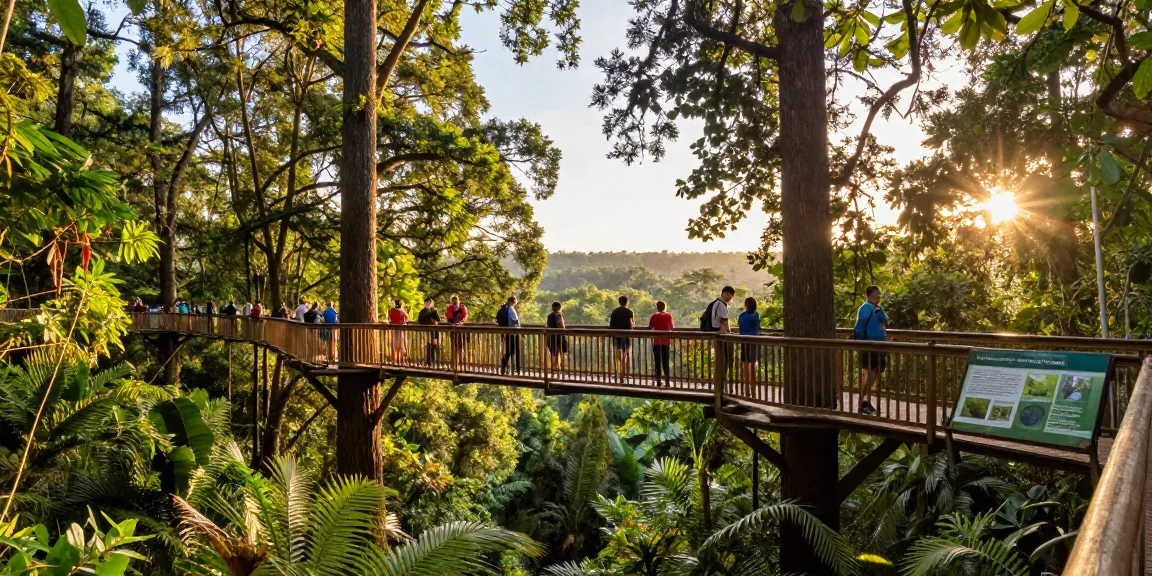
Understanding the Treetop Walkway Concept
The concept of a Treetop Walkway allows visitors to immerse themselves in a unique perspective of the forest environment, usually suspended above the ground. This elevated structure offers a chance to walk among the treetops, providing a breathtaking view of the natural world from an entirely new vantage point. Not only can guests observe wildlife and plant life more closely, but they can also appreciate the intricacies of the forest ecosystem in a way that ground-level pathways simply cannot offer.
What is a Treetop Walkway?
A treetop walkway is an elevated pathway that allows people to walk among the branches and foliage of trees. These walkways are often constructed using sustainable materials designed to blend harmoniously with the surrounding environment. They vary in height and length, some reaching impressive elevations that offer unparalleled views of the landscape below. Typically set in parks or nature reserves, these structures are designed for safety and accessibility, making them suitable for all visitors.
History and Evolution of Treetop Walkways
The idea of treetop walkways can be traced back to the early 20th century when people began to realise the importance of capitalising on vertical spaces in forests for both conservation and tourism. The first modern canopy walkways emerged in the late 20th century, with places like the Canopy Walkway at the Ghana’s Kakum National Park setting a precedent for eco-tourism destinations worldwide. As awareness about conservation and eco-friendly practices increased, treetop walkways evolved from mere footpaths to engineered structures that prioritise minimal ecological impact while providing stunning experiences for visitors.
Benefits of Visiting a Treetop Walkway
Visiting a treetop walkway offers numerous benefits, including:
- Environmental Education: Guests learn about local flora and fauna, enhancing their understanding of ecosystems.
- Physical Activity: Walking in a natural setting promotes physical health.
- Stress Relief: Immersion in nature has been shown to reduce stress and promote well-being.
- Unique Perspectives: Observing nature from above provides insights into wildlife behaviours and plant relationships that are often missed from the ground.
Top Treetop Walkways Around the World
Highlighted Locations and Their Unique Features
Several treetop walkways have gained international acclaim for their design and breathtaking views.
- The Canopy Walkway, Ghana: Nestled within Kakum National Park, this walkway extends for over 330 metres and is suspended 30 metres above the ground, offering stunning views of the rainforest below.
- The Treetop Walkway at Royal Botanic Gardens, Kew, UK: This 18-metre-high structure allows visitors to experience the canopy of diverse tree species, making it an educational and visually striking attraction.
- The Wild Walk, New York, USA: This elevated trail features a series of bridges and climbing structures that engage visitors while providing panoramic views of the Adirondack forest.
Visitor Experiences and Tips
Visitor experiences on treetop walkways can vary significantly based on the location and design of the pathway. Those looking to get the most out of their visit should consider the following tips:
- Arrive Early: Morning visits often result in fewer crowds and better wildlife sightings.
- Wear Comfortable Shoes: A stable footing is essential given the varied terrain of some walkways.
- Bring Binoculars: Observing distant wildlife becomes easier with the right tools.
- Read Up on the Location: Familiarising yourself with the specific ecology of the area can enhance your experience.
Comparative Analysis of Popular Walkways
When considering which treetop walkway to visit, comparing various aspects like height, accessibility, and features can aid in selecting the right one for your needs. While some walkways like the one in Ghana offer a sense of adventure with height and stunning scenic views, others, like the one at Kew, focus on educational experiences related to botany and conservation.
Planning Your Visit to a Treetop Walkway
Choosing the Right Location for Your Adventure
Determining the perfect location for a treetop experience can depend on several factors, including proximity, the type of scenery you wish to explore, and the time of year. Researching specific walkways allows you to find options with unique features that suit your interests. For instance, some locations are set in historical areas with rich narratives, while others focus primarily on untouched natural beauty.
What to Expect on Your Journey
Visitors can expect a well-marked trail leading up to the treetop walkway, complete with educational signs and interactive elements. Once on the walkway, gentle swaying may occur, giving visitors a glimpse of how tree canopies interact with wind. Most walkways are designed for safety, incorporating railings and sturdy materials to ensure a secure experience.
Tips for First-Time Visitors
First-time visitors should take time to prepare for their trip:
- Check Weather Conditions: Weather can significantly impact visibility and walking conditions.
- Visit During Off-Peak Hours: Weekdays or early mornings are often less crowded.
- Consider Guided Tours: Many walkways offer guided experiences that enhance the educational aspects of the visit.
Safety Considerations and Accessibility
Safety Features of Treetop Walkways
Modern treetop walkways are designed with safety in mind. Features often include:
- Weight Limits: Structures are usually built to withstand significant loads while ensuring user safety.
- Sturdy Railings: Safety barriers are a standard feature to prevent accidents while walking.
- Regular Maintenance: Scheduled inspections ensure that walkways remain safe for public use.
Accessibility for All Visitors
Many treetop walkways are designed to accommodate visitors with disabilities. Features such as ramps and lifts help ensure that everyone can enjoy the experience. It is essential to check beforehand to confirm that facilities meet personal accessibility requirements.
Common Concerns and Precautions
While treetop walkways are generally safe, visitors often have concerns regarding heights or the stability of the structures. It is always wise to communicate any fears to guides or staff members and take advantage of safety briefings provided at the onset of the visit.
The Future of Treetop Walkways: Trends and Innovations
Emerging Designs and Technological Integrations
The future of treetop walkways is likely to be shaped by innovative designs and new technologies. For example, some companies are exploring the use of modular construction techniques that allow for quicker assembly and relocation of walkways, enabling them to adapt to changing environmental conditions. Additionally, augmented reality features may soon enhance user experiences, providing interactive educational content as visitors progress.
Impact on Conservation and Eco-Tourism
Treetop walkways have the potential to positively impact conservation efforts by promoting eco-tourism. Educated visitors can become advocates for environmental protection and sustainability. Financial benefits from tourism can be directed towards conservation projects that preserve these natural habitats.
Predictions for the Development of Treetop Experiences by 2026
As environmental awareness grows, it is predicted that more treetop walkways will be established globally, particularly in regions with rich biodiversity. Moreover, as urban areas continue to expand, innovative designs are likely to emerge, even integrating such walkways into cityscapes, providing urban dwellers with access to nature.
Why Should You Consider a Treetop Walkway?
For nature enthusiasts, families, and adventure seekers, a treetop walkway experience offers an opportunity to connect with nature while enjoying exhilarating views and learning about the environment. It is an ideal adventure for those looking to break away from conventional tourism and engage with the beauty of the natural world.
Is a Treetop Walkway Worth the Experience?
Absolutely. The unique perspectives offered, combined with the physical and mental health benefits associated with spending time in nature, make a treetop walkway worthwhile. Many visitors leave with lasting memories and a deeper appreciation for the environment.
How to Maximise Your Experience at a Treetop Walkway?
To make the most of your visit, plan ahead by researching the specific walkway you intend to visit, schedule ample time for exploration, and engage with the staff to learn about local wildlife and plants. Bringing your own snacks and drinks can also enhance the experience by allowing for leisurely breaks along the way.
What are the Accessibility Options for Treetop Walkways?
Accessibility options vary by location but typically include ramps, braille signage, and assistance from staff. Always check in advance regarding specific requirements and available services to ensure a comfortable visit.
How Long Does a Treetop Walkway Experience Last?
The duration of a visit depends on the individual walkway and personal pace, but most experiences can last from one to three hours. This timeframe allows for leisurely exploration, opportunities for photographs, and a chance to appreciate the surroundings.