What is Astaxanthin Explained?
Astaxanthin is a vibrant red pigment belonging to the carotenoid family, primarily recognized for its antioxidant properties. Found in a range of organisms, from microalgae to seafood, it has gained attention for its potential health benefits. This remarkable compound not only contributes to the distinct hue of certain marine life but also plays a crucial role in cellular health. To understand the significance of astaxanthin, one must delve into its origins, chemical properties, and biological functions. For a comprehensive overview, refer to astaxanthin explained.
The Origins of Astaxanthin
Astaxanthin is synthesized by microalgae, primarily Haematococcus pluvialis, which is considered the richest natural source of this compound. When exposed to environmental stress, such as UV light or nutrient scarcity, these algae produce astaxanthin to protect themselves from damage. Later, when aquatic organisms such as shrimp, krill, and salmon consume these algae, they absorb the astaxanthin, which contributes to their characteristic pink to reddish coloration. The marine food chain is a pivotal pathway through which astaxanthin makes its way to consumers, showcasing not just its biological roles but its ecological significance as well.
Chemical Structure and Properties
Chemically, astaxanthin is a carotenoid with a unique molecular structure that includes a long-chain hydrocarbon backbone. This structure allows astaxanthin to interact effectively with cell membranes and lipid layers, enhancing its ability to act as an antioxidant. The presence of multiple conjugated double bonds in its structure contributes to its unique light-absorbing properties, enabling it to neutralize free radicals effectively. Moreover, astaxanthin is lipid-soluble, which means it can be absorbed and retained in fatty tissues, making it readily available for cellular use.
How Astaxanthin Works
Astaxanthin functions as a potent antioxidant, primarily by scavenging free radicals, which are unstable molecules that can cause oxidative stress within the body. This oxidative stress is linked to various chronic diseases and aging processes. Astaxanthin’s chemical structure allows it to donate electrons to these free radicals without becoming a radical itself, thereby terminating the chain reaction of oxidative damage. Additionally, astaxanthin has been observed to enhance the body’s own antioxidant enzymes, providing a second line of defense against oxidative stress. This dual action makes it a unique player in promoting overall cellular health.
Health Benefits of Astaxanthin Explained
A Powerful Antioxidant
As one of the most powerful antioxidants known, astaxanthin can be up to 6000 times more effective than vitamin C at neutralizing free radicals. This high antioxidant capacity is essential in protecting cells from oxidative damage, which can lead to inflammation and chronic diseases such as cancer and heart disease. Research has shown that astaxanthin supplementation may lead to improvements in oxidative stress markers, enhancing overall health and wellness.
Potential Anti-Inflammatory Effects
Inflammation is a natural response of the immune system; however, chronic inflammation is linked to various health issues. Astaxanthin has been studied for its ability to reduce inflammatory markers in the body. Clinical trials suggest that it may help alleviate symptoms associated with inflammatory conditions such as arthritis and cardiovascular diseases. By modulating the production of inflammatory cytokines and enzymes, astaxanthin helps maintain a balanced immune response, contributing to better health outcomes.
Benefits for Skin and Eyes
Astaxanthin is often termed a “beauty vitamin” due to its positive effects on skin health. Its antioxidant properties protect the skin from UV damage and reduce the appearance of fine lines and wrinkles. Additionally, studies indicate that astaxanthin can improve skin elasticity and hydration. For eye health, this carotenoid is believed to help in reducing the risk of age-related macular degeneration and other visual impairments. By filtering harmful blue light and reducing oxidative stress in retinal cells, astaxanthin supports overall ocular health.
Sources of Astaxanthin Explained
Natural Sources in Marine Life
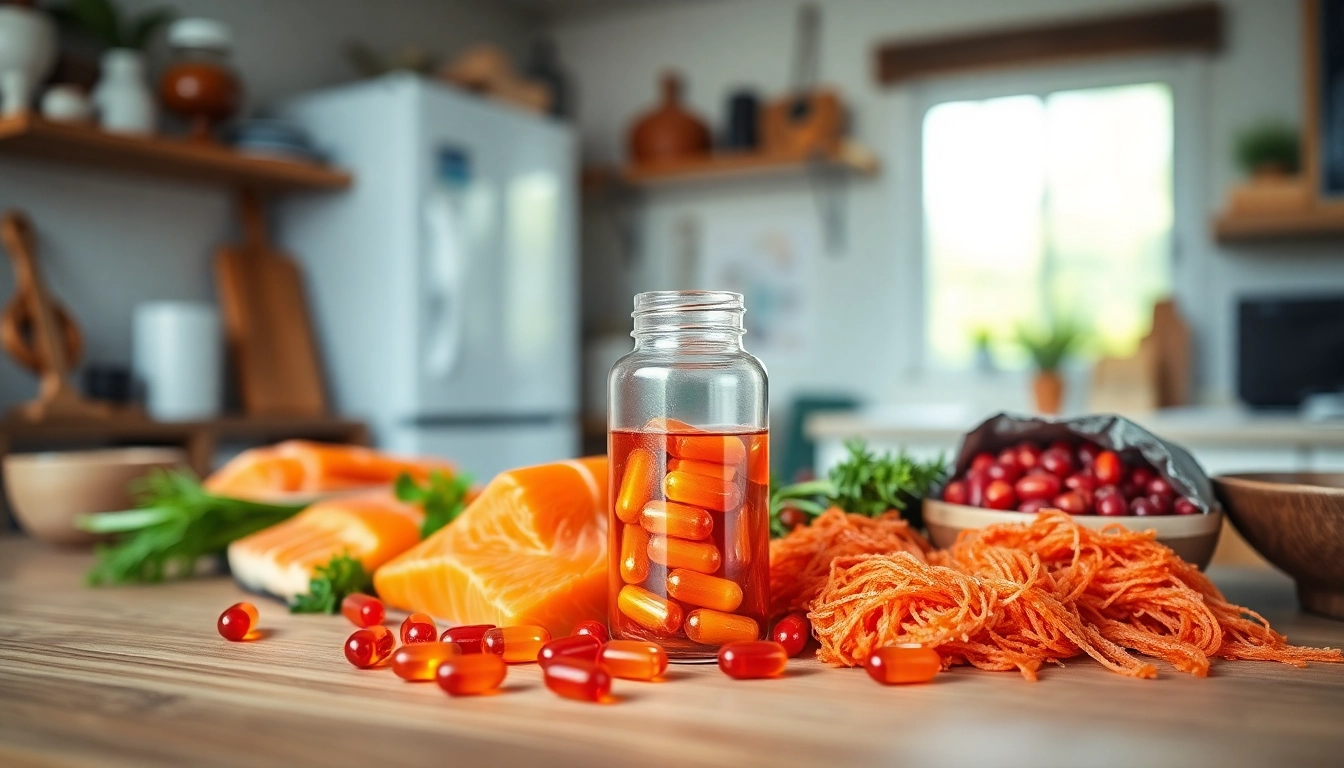
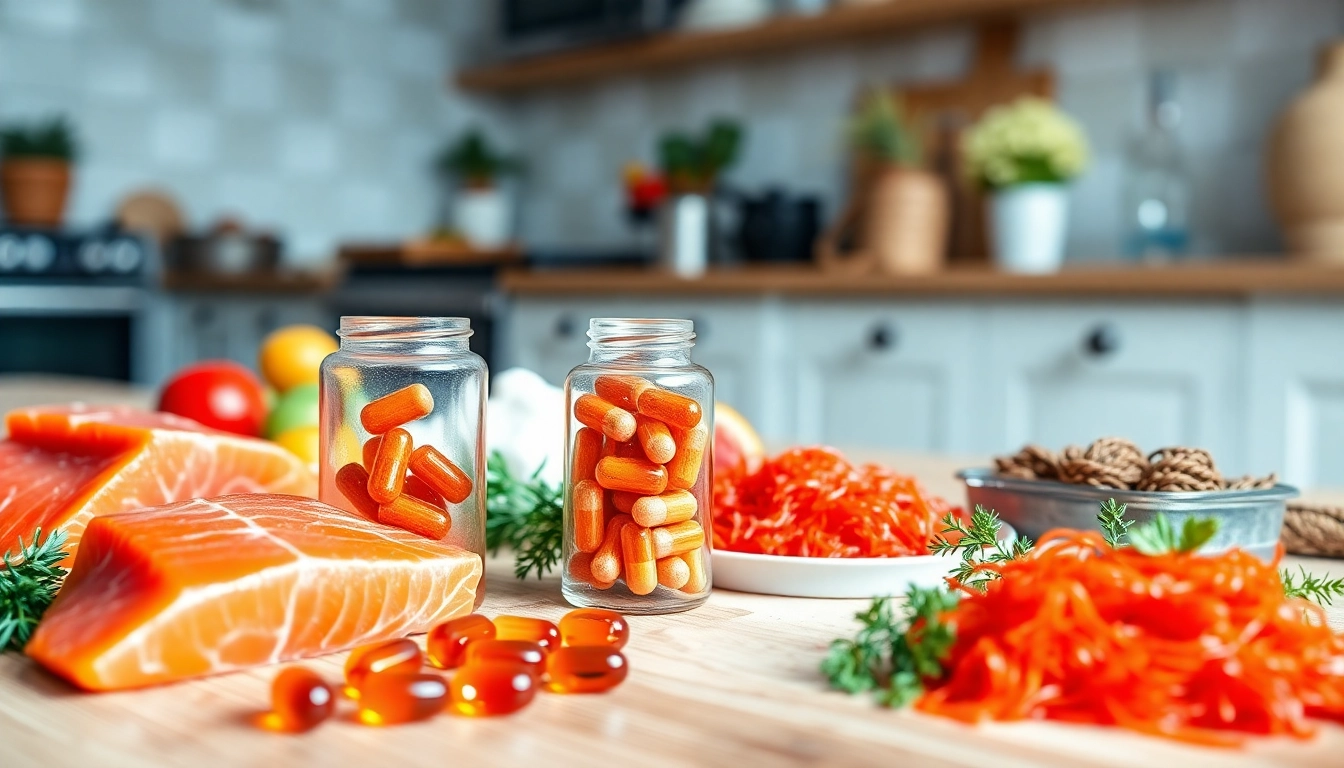
The most potent natural sources of astaxanthin are found in marine environments. Species such as wild-caught salmon, shrimp, crabs, and lobster are rich in this carotenoid due to their diet, which is primarily composed of microalgae. Additionally, certain strains of microalgae, such as Haematococcus pluvialis, are cultivated specifically to extract astaxanthin for use in supplements and health products. For those looking to increase their astaxanthin intake, incorporating these seafood options can be an effective strategy.
Astaxanthin in Supplements
Astaxanthin supplements have gained popularity, especially among health enthusiasts seeking its antioxidant benefits without consuming large amounts of seafood. Extracted primarily from microalgae, these supplements are available in various forms, including soft gels, capsules, and powders. When choosing a supplement, it's crucial to select products that are derived from reputable sources and that provide a scientifically validated dosage.
Dosing Guidelines and Recommendations
While the optimal dosage of astaxanthin can vary depending on individual health needs and goals, studies generally suggest a daily intake range of 4–12 mg for health benefits. It's advisable to consult with a healthcare professional before starting any supplementation regimen to determine the appropriate dosage tailored to your health status and objectives. Consistent use coupled with a balanced diet can maximize the potential benefits of astaxanthin.
Risks and Side Effects of Astaxanthin Explained
Potential Side Effects
Astaxanthin is generally considered safe for most individuals when consumed in appropriate amounts. Some may experience mild side effects, including gastrointestinal discomfort, changes in skin pigmentation, or headache. These effects tend to be rare, particularly with dietary sources. Monitoring one’s reactions when starting supplementation is advised to ensure a positive experience.
Interactions with Medications
As with any supplement, astaxanthin may interact with certain medications. It could potentially affect how blood-thinning medications work, increasing the risk of bruising or bleeding. Anyone taking prescription medication should consult a healthcare professional before starting astaxanthin supplementation to avoid harmful interactions.
Who Should Avoid Astaxanthin?
Individuals with hypersensitivity to carotenoids or those allergic to seafood should exercise caution with astaxanthin, particularly in supplement form. Pregnant or breastfeeding women should also consult their healthcare provider before using astaxanthin as a precautionary measure. Overall, while astaxanthin offers numerous health benefits, specific groups may need to avoid it or seek medical advice.
Frequently Asked Questions about Astaxanthin Explained
What is astaxanthin used for?
Astaxanthin is primarily used for its antioxidant properties, supporting skin health, reducing inflammation, and enhancing eye health. It is often marketed as a supplement for overall wellness and longevity.
Are there side effects associated with astaxanthin?
Astaxanthin is generally safe, but some people may experience mild side effects like gastrointestinal issues or headache. Allergic reactions are also possible, especially in individuals sensitive to carotenoids.
How does astaxanthin compare to other antioxidants?
Astaxanthin is one of the most potent antioxidants available, often cited as being several thousand times more effective than vitamin C and other well-known antioxidants. Its unique structure contributes to this effectiveness.
Can astaxanthin improve skin health?
Yes, astaxanthin can improve skin health by enhancing elasticity, hydration, and reducing signs of aging by protecting against UV damage and oxidative stress.
Is astaxanthin safe for long-term use?
Astaxanthin appears safe for long-term use at recommended dosages. However, it is always wise to consult a healthcare professional for individual guidance.