The Geography of Australia
Australia, the world's smallest continent and largest island, boasts a unique and diverse geography that influences its climate, culture, and ecosystems. Encompassing wide-ranging landscapes—ranging from expansive deserts and lush forests to bustling urban centers—Australia is a land of contrasts and surprising beauty. The country's geological diversity is fundamental in shaping not only its environmental conditions but also the lifestyle and activities of its inhabitants. Understanding the geography of Australia helps to appreciate its rich tapestry of life.
Regions and Landscapes in Australia
Australia is divided into six states and two territories, each exhibiting distinct geographical features. The major regions include:
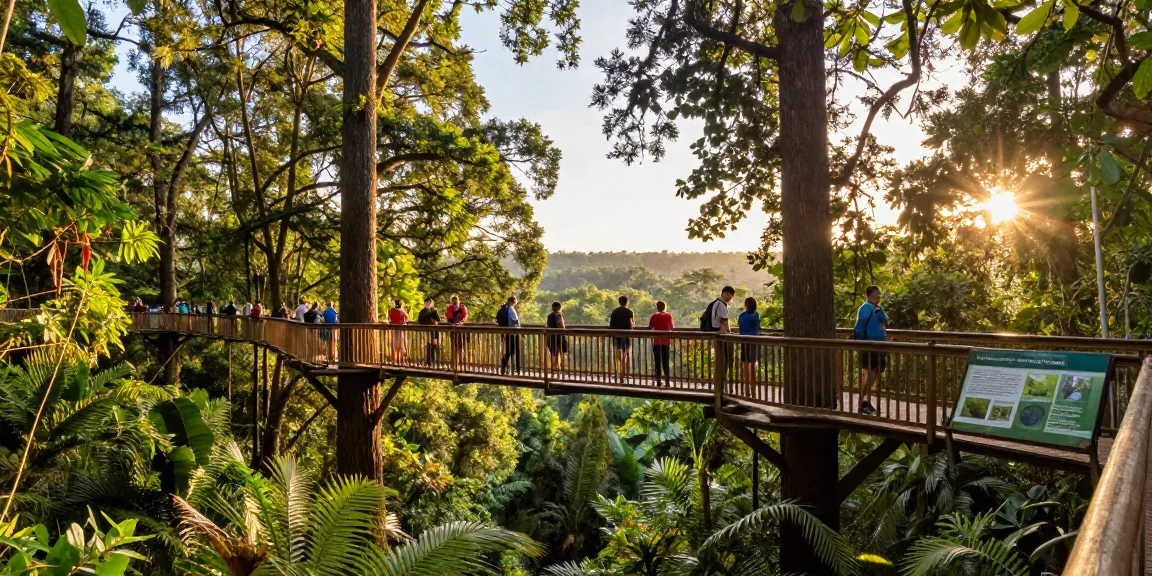
- Western Australia: Known for its stunning beaches and expansive outback, this state features the famous Nullarbor Plain and the vibrant capital, Perth.
- Queensland: Home to the Great Barrier Reef and tropical rainforests, Queensland offers beautiful coastal regions and a laid-back lifestyle.
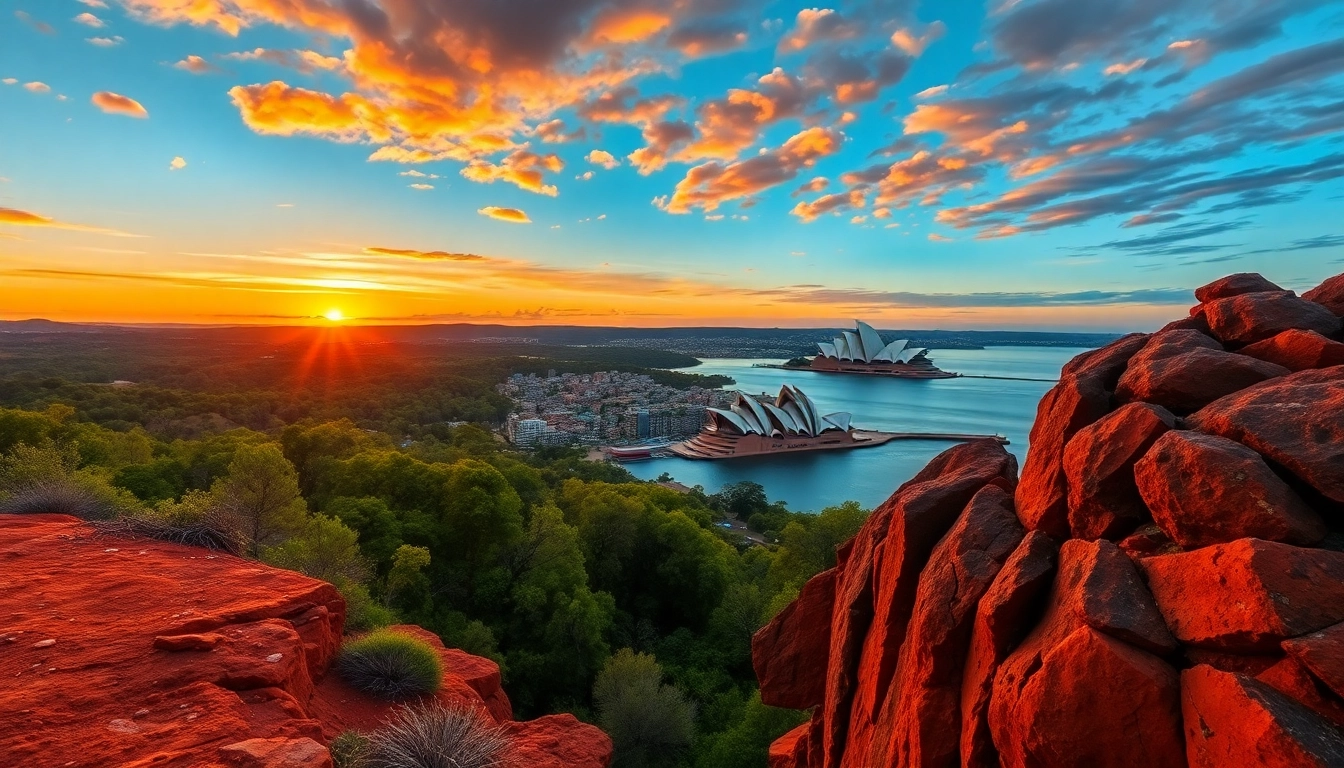
- New South Wales: Notably featuring Sydney, its coastal city, New South Wales showcases both urban life and rugged highlands.
- Victoria: Famous for its cultural centers like Melbourne, Victoria has diverse landscapes, from the Great Ocean Road to the Dandenong Ranges.
- South Australia: This region includes the vast Outback, fruitful agricultural zones, and the unique landscapes of the Flinders Ranges.
- Tasmania: An island state, Tasmania is known for its stunning national parks and pristine wilderness areas.
- Australian Capital Territory: The political center of the nation, it includes the capital city, Canberra, and is surrounded by picturesque countryside.
These diverse landscapes not only provide a variety of natural beauty but also affect human activities and settlement patterns.
Climate Variations Across Australia
Australia's climate ranges from arid and semi-arid in the interior to tropical in the north and temperate in the south, leading to a range of weather phenomena. Climate zones include:
- Tropical: Found in northern regions, characterized by wet and dry seasons, it supports unique ecosystems, such as rainforests.
- Desert: Covering much of the interior, the desert regions experience extreme temperatures and sparse vegetation.
- Temperate: Southern coastal areas feature four distinct seasons, allowing for rich agricultural production.
The variation in climate significantly influences the biodiversity of flora and fauna across Australia. Climate change poses challenges and impacts on both natural ecosystems and human practices.
Unique Flora and Fauna in Australia
Australia is a megadiverse country, hosting an unparalleled variety of flora and fauna, with around 80% of its plants and animals unique to the continent. Key examples include:
- Kangaroo: An iconic symbol of Australia, these marsupials are primarily herbivorous and can be found across various habitats.
- Koala: This marsupial relies on eucalyptus leaves for sustenance, thriving in eastern Australian forests.
- Great Barrier Reef: Home to spectacular marine life and coral formations, this World Heritage Site exemplifies Australia's extraordinary biodiversity.
- Eucalyptus Trees: Dominant across much of Australia, these trees have adapted to their environment, showcasing resilience in extreme weather.
Efforts to protect Australia's unique biodiversity are paramount, given the continuous threats posed by habitat loss and climate change.
Cultural Mosaic of Australia
Australia's culture is a rich blend shaped by its Indigenous peoples, immigrant communities, and colonial history. This cultural mosaic contributes to the Australian identity, making it one of the most diverse nations in the world.
Indigenous Cultures and Traditions in Australia
Australia is home to the world’s oldest continuing cultures, with Aboriginal and Torres Strait Islander peoples having inhabited the land for over 65,000 years. Their rich traditions, languages, and spiritual beliefs are deeply intertwined with the landscape. Connection to country—an integral concept in Indigenous culture—reflects respect for the land, plants, animals, and natural resources.
With customs that vary between communities, traditional practices such as storytelling, art, music, and dance offer insights into their rich heritage. Programs aimed at cultural preservation and promotion are essential for educating both Australians and visitors about Indigenous histories and rights.
Multicultural Communities in Australia
As a nation enriched by waves of immigration, Australia has become a multicultural society. This diversity manifests across various domains, including language, cuisine, and social practices. Major cities like Melbourne and Sydney showcase a blend of cultures, with ethnic enclaves offering authentic culinary experiences and cultural festivals.
Australia recognizes the importance of multiculturalism as a pillar of national identity, promoting inclusiveness and social cohesion. Government policies encourage respect for diverse traditions and the integration of communities into the social fabric.
Influence of Arts and Entertainment in Australia
Australia's artistic scene is vibrant and eclectic, influenced by its history, culture, and natural beauty. Modern Australian art reflects a combination of Indigenous traditions and contemporary expressions. Key highlights include:
- Indigenous Art: Distinctive styles and themes are prevalent, from traditional dot painting to contemporary sculptures.
- Film Industry: With globally acclaimed productions such as "Mad Max," "The Babadook," and works featuring Australian actors and directors, the film industry is an influential force.
- Music Scene: Australia has given birth to iconic bands like AC/DC and INXS, as well as a thriving contemporary music culture spanning various genres.
Arts and entertainment play a crucial role in reflecting societal values, shaping national discourse, and connecting communities.
Economy and Industry of Australia
Australia boasts a strong and stable economy, enriched by an abundance of natural resources, a highly skilled workforce, and a strategic location in the Asia-Pacific region. Economic activities are driven by key sectors that contribute to the prosperity of the nation.
Key Sectors Driving Australia’s Economy
The Australian economy is diversified, with several key sectors shaping its foundation:
- Mining and Resources: With vast deposits of minerals such as coal, iron ore, and gold, Australia is a leading exporter of resources, significantly influencing the economy.
- Agriculture: Known for producing high-quality goods such as wheat, beef, and wine, the agricultural sector also plays a critical role in export markets.
- Tourism: An important economic sector, tourism drives revenue through millions of visitors eager to experience Australia’s attractions.
- Education: The international education sector attracts students from around the globe, contributing significantly to the economy.
Such sectors not only generate revenue but also create job opportunities, underpinning economic resilience.
Australia's Trade Partners and Global Position
Australia maintains strong trade relationships globally, particularly with Asian economies. Major partners include China, Japan, and the United States, with exports primarily consisting of minerals, agricultural products, and services. Trade agreements, such as the Regional Comprehensive Economic Partnership (RCEP), enhance Australia’s position in the global market.
Being a member of various international organizations and trade groups allows Australia to engage in collaborative efforts, promoting economic growth and stability.
Employment Trends and Salaries in Australia
Australia enjoys a relatively low unemployment rate and generates attractive salaries influenced by industry, skill level, and location. Job opportunities are broad, spanning sectors from healthcare to technology. The demand for skilled professionals remains robust, contributing to competitive remuneration packages.
According to recent data, a salary of around AUD 70,000 is considered good for individuals; however, families often require higher combined incomes to maintain a comfortable lifestyle, especially in major urban centers.
Tourism in Australia
Tourism in Australia encapsulates its natural beauty, biodiversity, and cultural richness. The country draws millions of visitors each year, offering a wealth of experiences ranging from outdoor adventures to cultural immersion.
Must-Visit Destinations in Australia
Some of the most sought-after destinations in Australia include:
- Great Barrier Reef: This UNESCO World Heritage Site is a haven for marine biodiversity.
- Uluru-Kata Tjuta National Park: Known for its stunning rock formations and cultural significance to Indigenous Australians.
- Bondi Beach: An iconic destination for sunbathing, surfing, and cultural events.
- Melbourne: A cultural capital known for its arts, cuisine, and vibrant street life.
These landmarks showcase the diverse beauty of Australia, attracting a wide variety of tourists.
Outdoor Activities and Adventures in Australia
Outdoor activities in Australia are endless, catering to all types of adventurers. Popular pursuits include:
- Surfing: With world-renowned beaches, opportunities for surfing abound along the coasts.
- Hiking: Trails such as the Overland Track in Tasmania invite exploration of nature's magnificence.
- Wildlife Spotting: Unique opportunities to observe wildlife in their natural habitats throughout national parks.
These outdoor experiences often highlight Australia’s commitment to preserving natural landscapes while offering thrilling adventures.
Sustainable Travel Practices in Australia
As a response to increasing environmental concerns, Australia emphasizes sustainable travel practices. Initiatives include eco-friendly tours, conservation projects, and responsible travel guidelines. Tour operators promote the significance of minimizing the ecological footprint and respecting local communities and wildlife.
Travelers are encouraged to engage in conscious tourism and seek experiences that benefit both the environment and local cultures.
FAQs About Living and Traveling in Australia
What is the cost of living in Australia?
The cost of living in Australia varies by city. Major cities like Sydney and Melbourne are more expensive. Housing, transportation, and food can significantly impact budgeting.
How does the healthcare system work in Australia?
Australia offers a dual healthcare system, comprising Medicare (public) and private health insurance options. Residents benefit from subsidized healthcare services.
What types of visas are available for visitors to Australia?
Australia offers various visa options, including tourist, student, and work visas. The right visa depends on the purpose of your visit and duration of stay.
What is the best time to visit Australia?
The best time to visit Australia depends on the region. Generally, spring (September-November) and autumn (March-May) provide pleasant weather across much of the country.
Is it safe to travel in Australia?
Australia is considered a safe travel destination with low crime rates. Basic safety precautions should be adhered to, especially in remote areas.